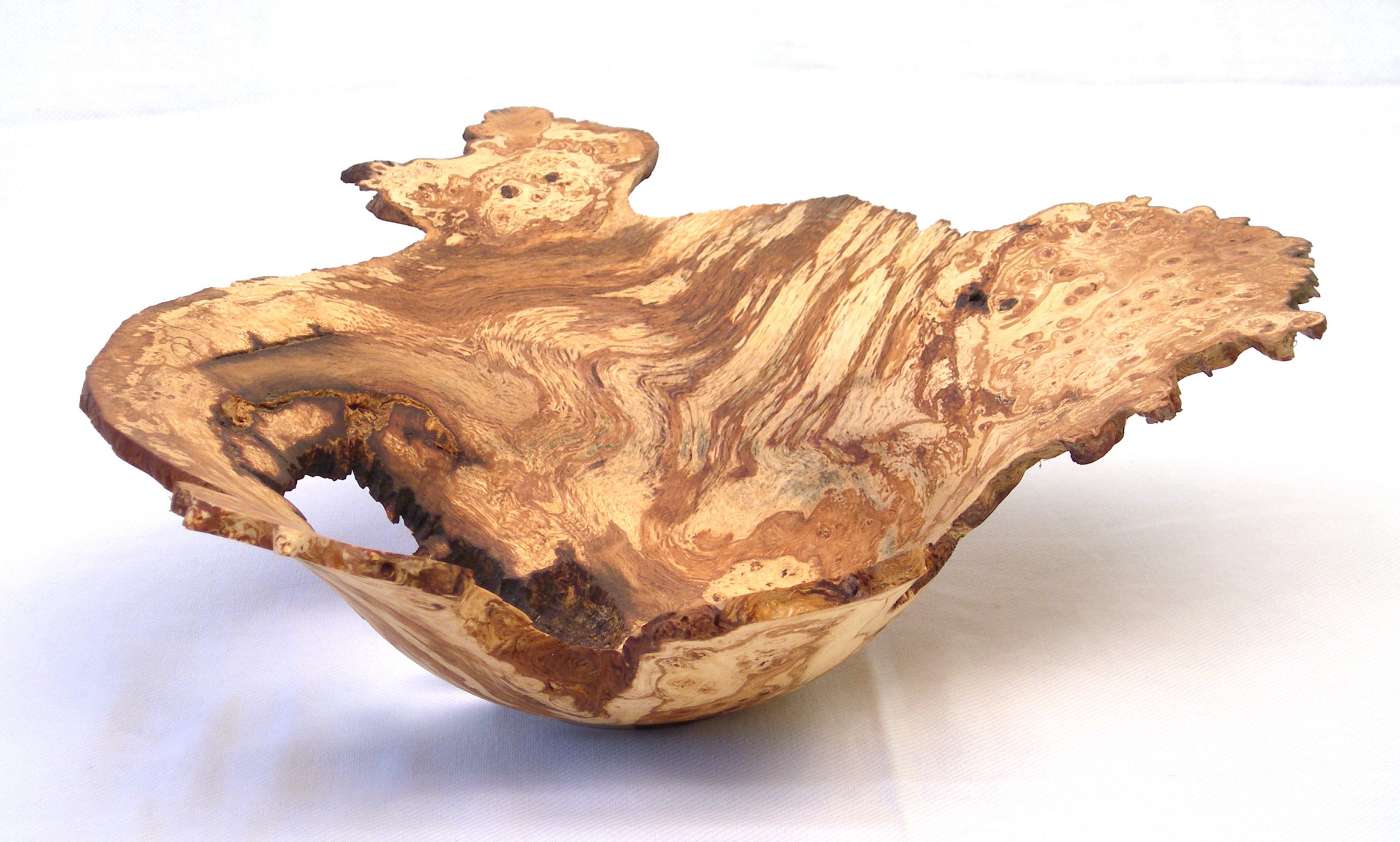
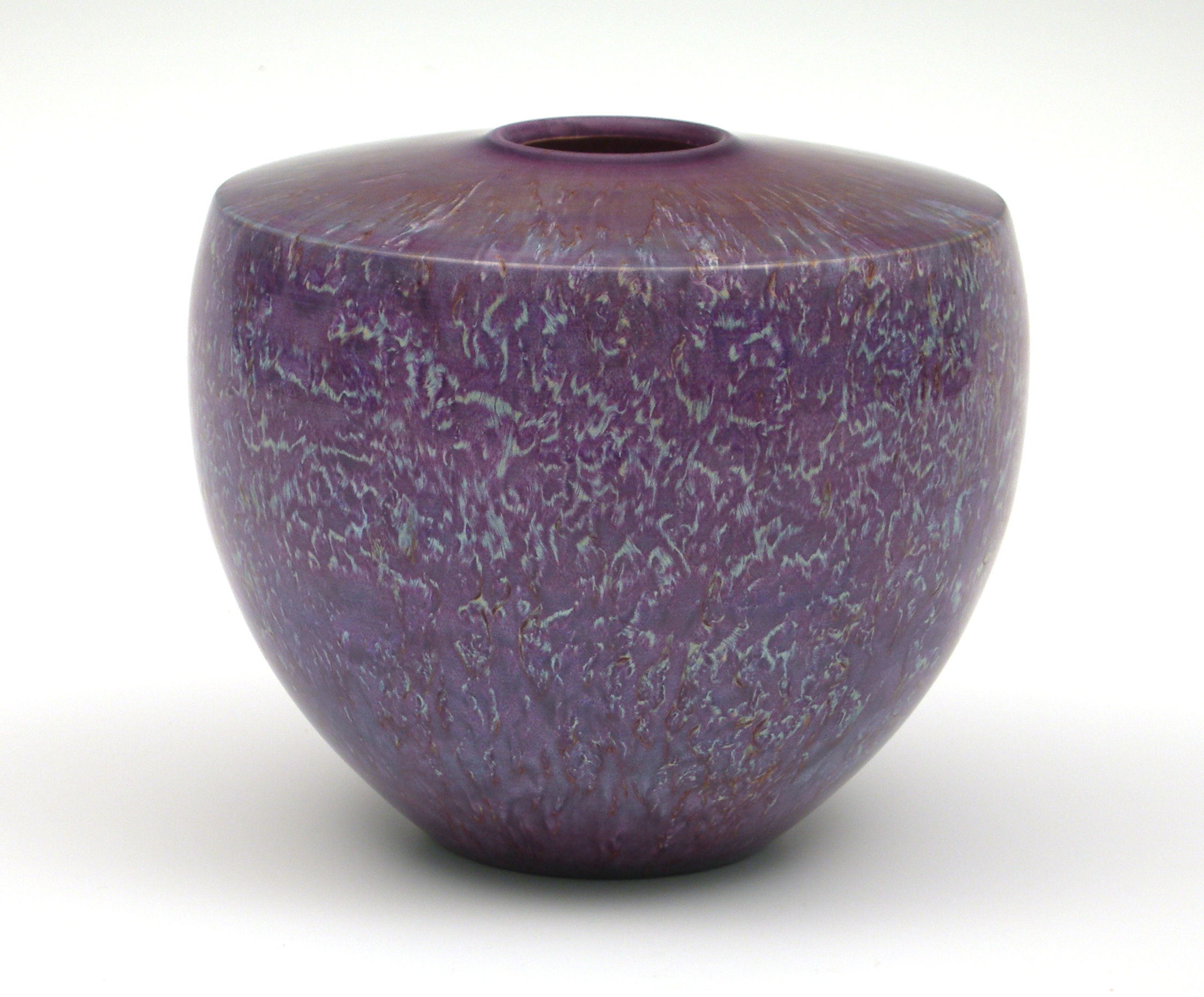

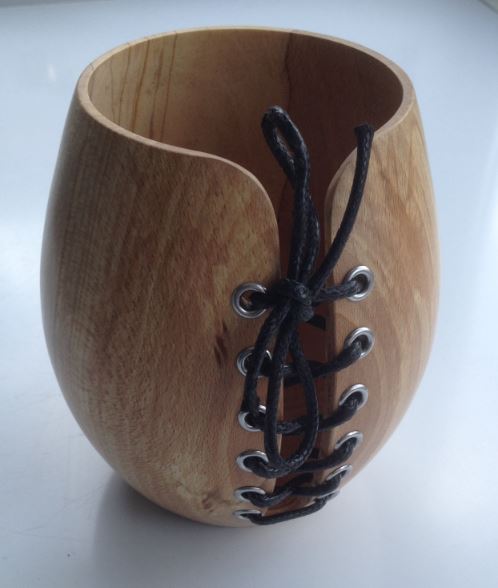
A major display of turned wood by members of the Association of Woodturners of Great Britain. The pre-emminent organisation of its type, with international members and profile, this display brings together a huge range of styles, techniques and woods. It is a celebration of craftsmanship and the beauty in wood – art in nature.
Just as the British Wildlife Photography Awards includes images by younger photographers, so this display will highlight the work of a group of young turners being coached and mentored by members of the Register of Professional Turners. These will be displayed alongside items by established wood turners, mostly based in the south west, south Wales and Midlands area.
The AWGB is a national charity which aims to promote woodturning to ensure the craft continues and to advance education in woodturning. It currently has over 3000 members, including makers abroad. There are 50 local UK branches, including in Gloucestershire.
SEE WOODTURNERS IN ACTION:
19th Steve Gordon
20th Paul Hannaby
21st Brian Ford
22nd Barry Starkey
23rd Jeff Belcher
24th Jeff Belcher
26th Brian Ford
27th Mike Macey
28th Keith Fenton
29th Peter Dixon
30th Steve Gordon
1st Rod Tester
Many exhibits will be for sale


A unique exhibition to celebrate the 60th anniversary of the Society of Wildlife Artists.
2D and 3D works by members who have played an important role in the journey of the Society thus far, including work by all its past-presidents. The SWLA continues to be a hugely influential organisation delighting in the natural world through fine art.
About The SWLA:
Back in the late 1950’s, the original work of wildlife artists was not readily available even though it was a time of widespread and growing interest in natural history. With a society of artists in mind which might seize such an opportunity, Robert Gillmor and Eric Ennion, with the enthusiastic support of Keith Shackleton and Peter Scott, organised an exhibition of contemporary bird paintings in the Reading Art Gallery in 1960. It then went on tour for a year. Such was the interest, the tour was extended and R.B. Talbot-Kelly and Maurice Wilson joined the organisers to plan a society to build on the momentum. They began inviting founder members and the Society of Wildlife Artists (SWLA) was formed.
Their first exhibition (1964) featured 149 works by 35 founder members. Today it has 63 elected members and 3 Associate Members. Their annual show ‘Natural Eye has over 300 works. In 1990 The SWLA became a registered charity through which it arranges exhibitions, publications, bursaries and partnerships delivered through the energy of individual artist members, many of whom are celebrated in this unique selection.
This exhibition highlights the work of some of the key drivers of the Society through its life. Sadly some of the founder members are no longer alive – people like Hugh B. Cott, Eric Ennion, Sir Peter Scott, Eileen Soper, John Busby, Richard Talbot-Kelly, Robert Gillmor, David Koster, Keith Shakleton, David Measures and David Shepherd, but their legacy lives on through initiatives of the Society and the work of its current artists.
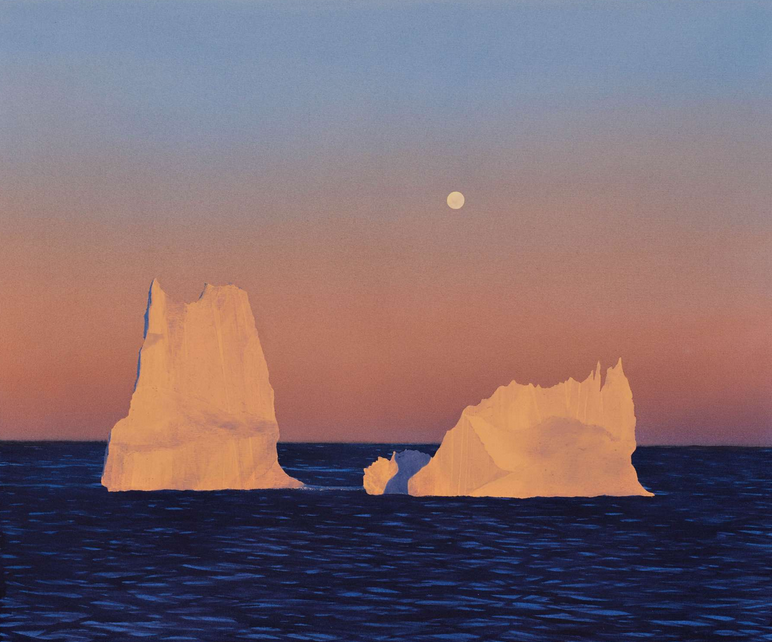
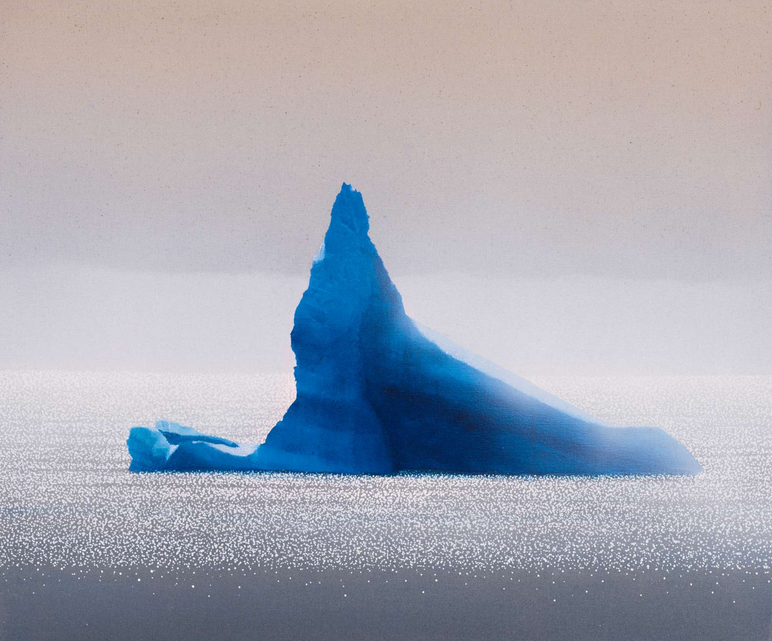
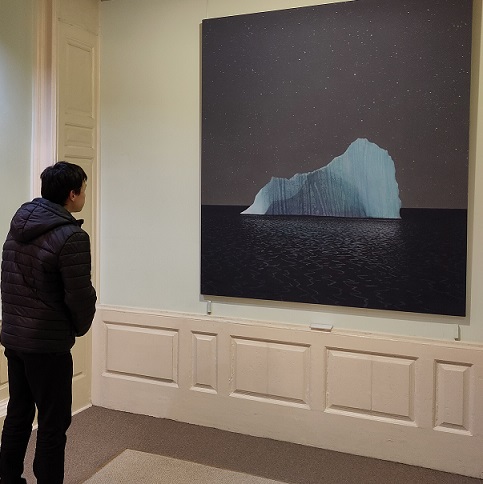
The paintings of Nicholas Jones immerse the viewer in the vast space and luminous light of the Arctic. Capturing a world made up of the simplest of ingredients – ice, water, rock, and light, this exhibition offers a point of connection with the fragile beauty of this astonishing region of our planet, on whose well-being we all depend.
Nick is the 2022 winner of the Royal Geographical Societies Cherry Kearton medal. In 2018 he was the Scott Polar Research Institutes Arctic Artist in Residence, out of which these paintings were made. This exhibition will consist of around 40 of Nick’s Arctic paintings completed between 2018 and 2022. The paintings range in size from small works on paper to two-meter large canvases.
Nick’s paintings have always dealt with one main subject: the landscape. From the countryside around his Somerset home, to the Arctic landscape of Lapland, Greenland and Baffin Island, he seeks to evoke the world of nature, of hills, mountains, water, skies, trees, and above all, light.
When in 2018, Nicholas Jones was appointed as Arctic Artist in Residence with the Friends of the Scott Polar Research Institute, he made a remarkable voyage along the coasts of Greenland and Baffin Island. The paintings in this exhibition are his response to the sublime light and landscapes he experienced in the Arctic, and visions of its beauty, power and simplicity. These paintings open our eyes to the beauty of nature, inviting us to a meditative contemplation of its wonders, and reminding us of the vital importance of preserving our shared home. It was for these works that the Royal Geographical Society awarded the Cherry Kearton medal, citing Nick’s “ability to ‘capture the uncapturable’: the ever-changing play of light on landscape.”
https://www.nicholasjones.info/
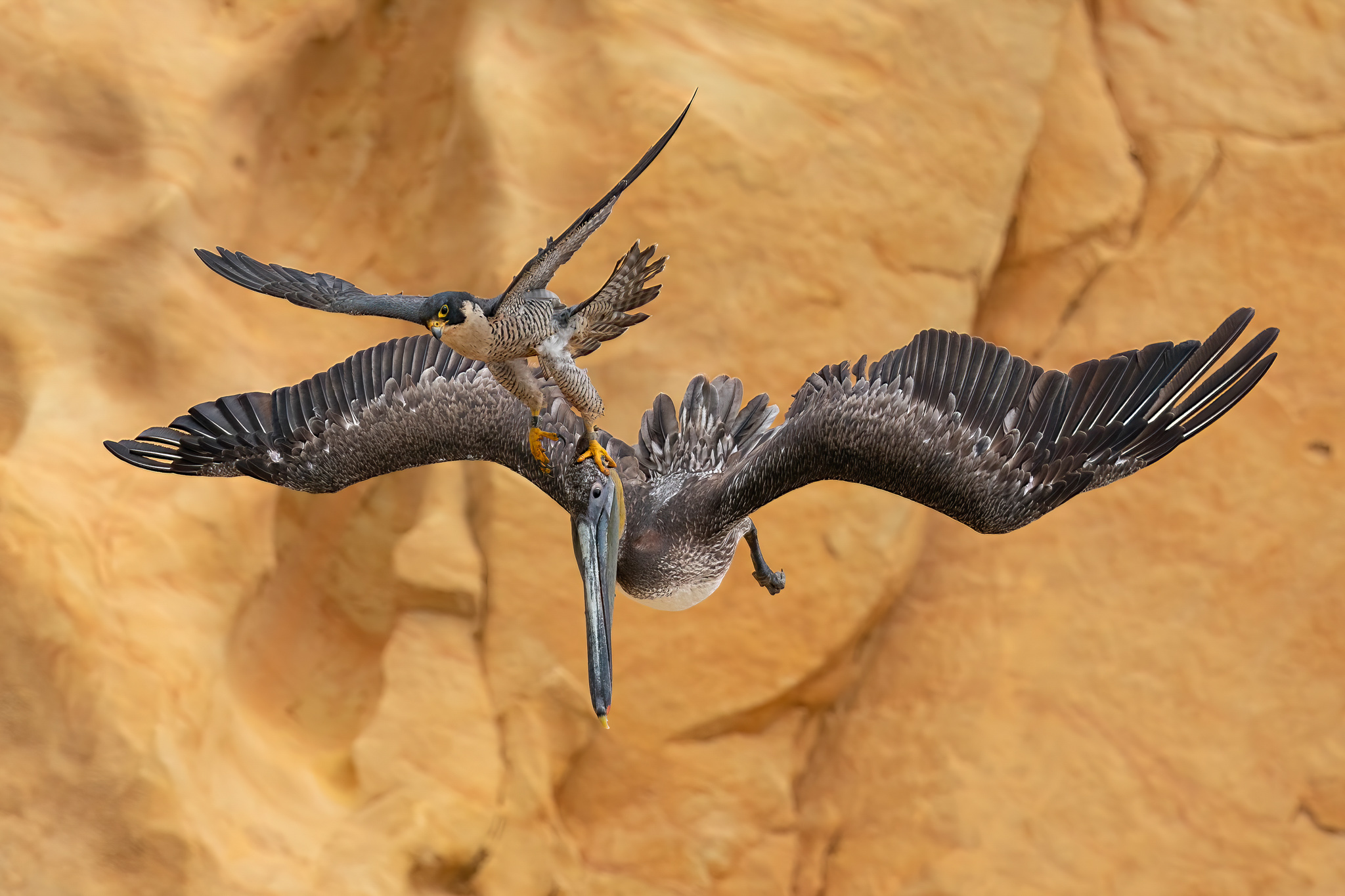
Bird Photographer of the Year is back after it’s popularity last year at Nature in Art.
Photographers from all over the world entered more than 20,000 images into this year’s competition, each with their eyes on the £5,000 grand prize. Photographer Jack Zhi, from the USA, was declared this year’s grand prize winner for his dramatic image taken in Southern California.
Photographers competed in 8 different categories in the adult competition: Best Portrait, Birds in the Environment, Bird Behaviour, Birds in Flight, Black and White, Urban Birds, Conservation (Single Image), and Comedy Bird Photo. There was also a Conservation Award, Portfolio Award, and Video Award.
Bird Photographer of the Year has conservation at its heart. This year, the competition donated £5,000 to partner charity Birds on the Brink, which provides vital funding to grass-roots bird conservation projects around the world. (www.birdsonthebrink.co.uk)
The 2024 competition is now open for entries at birdpoty.com, and invites photographers of all experience levels to submit their best bird photos.

Image 1: Jack Zhi / Bird Photographer of the Year
Image 2: Nicolas Reusens / Bird Photographer of the Year
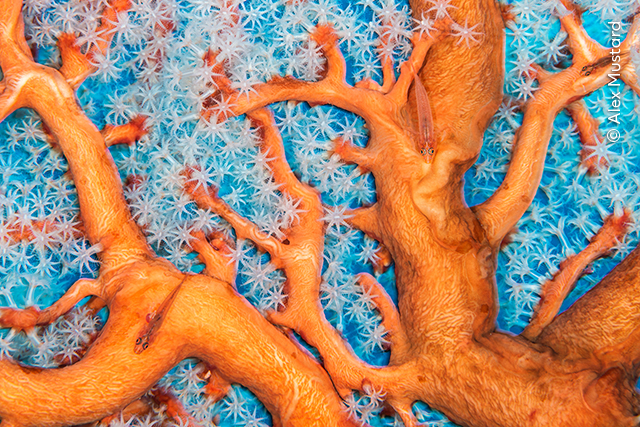


Wildlife Photographer of the Year is the Natural History Museum’s (London) globally renowned annual competition and exhibition, highlighting the unique and beautiful relationship between photography, science and art.
A forest rodeo, a hidden stargazer and a mason bee at work are just a few of the awe-inspiring images featured in the fifty-ninth competition. All 100 winning wildlife photographs will be on display at Nature in Art.
This year’s competition attracted an astounding 49,957 entries from photographers of all ages and experience levels from 95 countries.
Dr Doug Gurr, Director of the Natural History Museum sums up the importance of the exhibition: ‘We are facing urgent biodiversity and climate crises, and photography is a powerful catalyst for change. The Wildlife Photographer of the Year exhibition reveals some of nature’s most wondrous sights whilst offering hope and achievable actions visitors can take to help protect the natural world.’
Entry to the exhibition is included in the entrance price to Nature in Art.
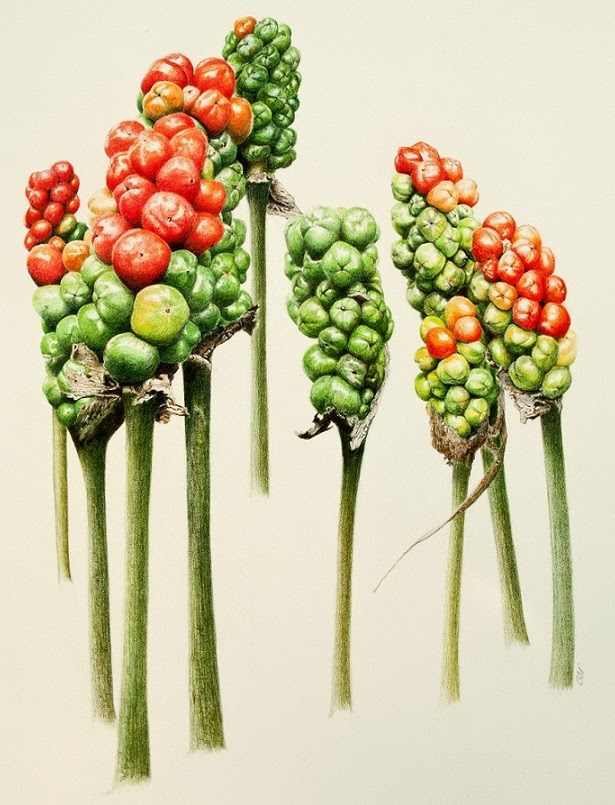
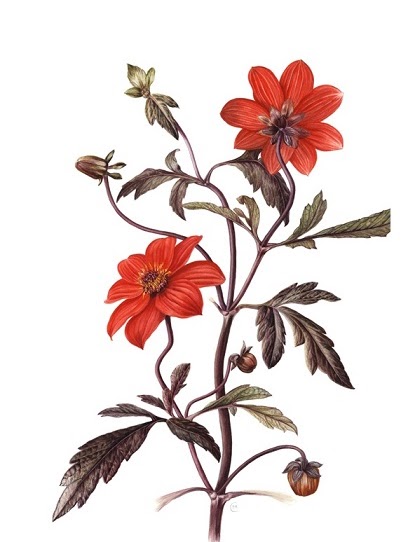
The Gloucester Society for Botanical Illustration’s Annual Exhibition will be held in the Atrium of the Education Centre.
GSBI grew out of botanical art classes held in Cheltenham and Stroud taught by Michael Hickey, horticulturist, botanist, writer and illustrator for The Cambridge University Press and elsewhere. The Society was formed in 1993 to cater for all in the county interested in botanical illustration, whether as botanists, botanical illustrators, gardeners or those involved in the collection and appreciation of botanical works. Their membership includes winners of The Royal Horticultural Society’s gold, Silver Gilt and Silver medals, both in the Grenfell(for art pictures) and Lindley (for scientific illustration) range.
Meet artists every day whilst viewing this inspiring display.
Images:
Wild Arum by Sian Phillips
Dahlia by Carolyn Makepeace
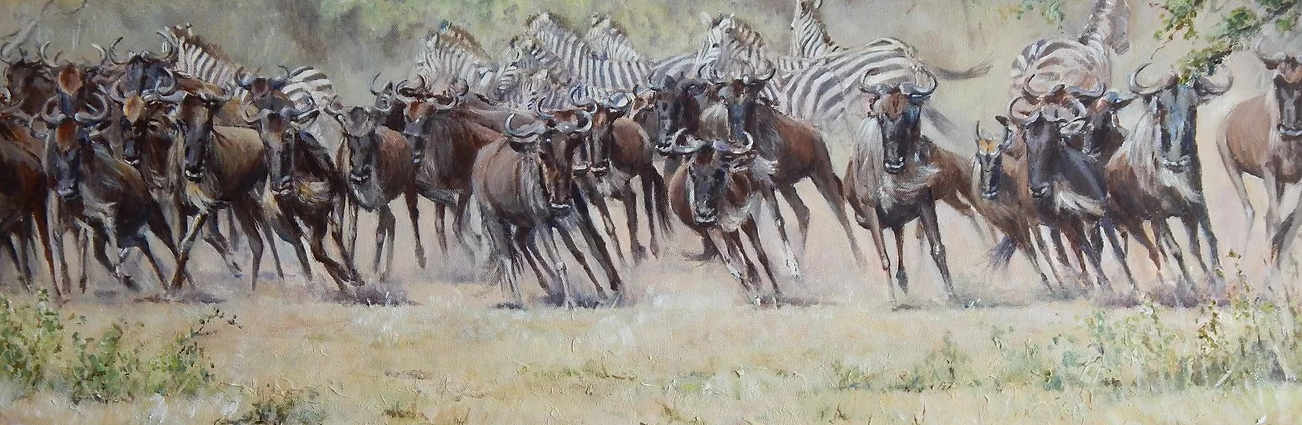
Gloucestershire Society of Artists was founded in 1924 linked to the Gloucester Art College and several of the talented tutors at the college were the first members. The Art Club is still a devoted community made up of enthusiastic individuals who enjoy sharing ideas and activities. This is the first of a series of exhibitions across the county marking the 100th anniversary of the society. This celebratory exhibition includes work in a variety of styles and media.
This exhibition will take place in the Atrium of the Education Centre. Free entry.
Meet members everyday. Some items for sale.
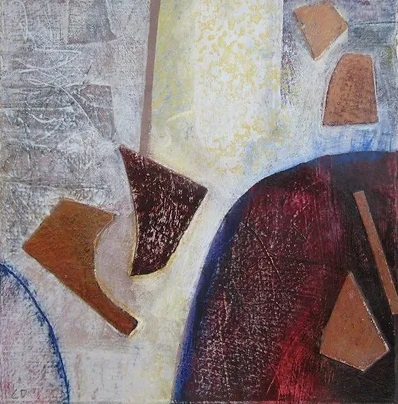


An exhibition of contemporary lace.
‘Elemental’ is the Westhope Group’s latest of many varied exhibitions. Members’ work is grounded in centuries-old techniques, but challenges the traditional view of lacemaking. Using traditional lacemaking techniques, group members produce contemporary textile art that may not always be immediately recognised as lace.
Founded in 1989, members of the Westhope Group come from all over the UK. Although their backgrounds in lace are varied, they have a common interest in maintaining strong lace traditions, pushing the boundaries of lace techniques and sharing experience with students, lacemakers and all who have an enthusiasm for textiles.
The theme, ‘Elemental’, looks at nature at its most basic level. Whether looking at the ancient elements of earth, water, fire and air, or considering modern chemical elements, these are the building blocks of our world. The theme has proved to be a rich source of inspiration for this talented group who have interpreted the theme in many different ways. The result is a beautifully conceived exhibition, all worked in the medium of lace.
See group members demonstrating on 30th March, 3rd, 6th, 10th, 12th, 13th and 14th April.
More details about the Westhope Group and its members can be found on their website or their Instagram page.
This exhibition will take place in the Atrium of the Education Centre. Free entry.

This exhibition will now finish on May 12th (was 28th April)
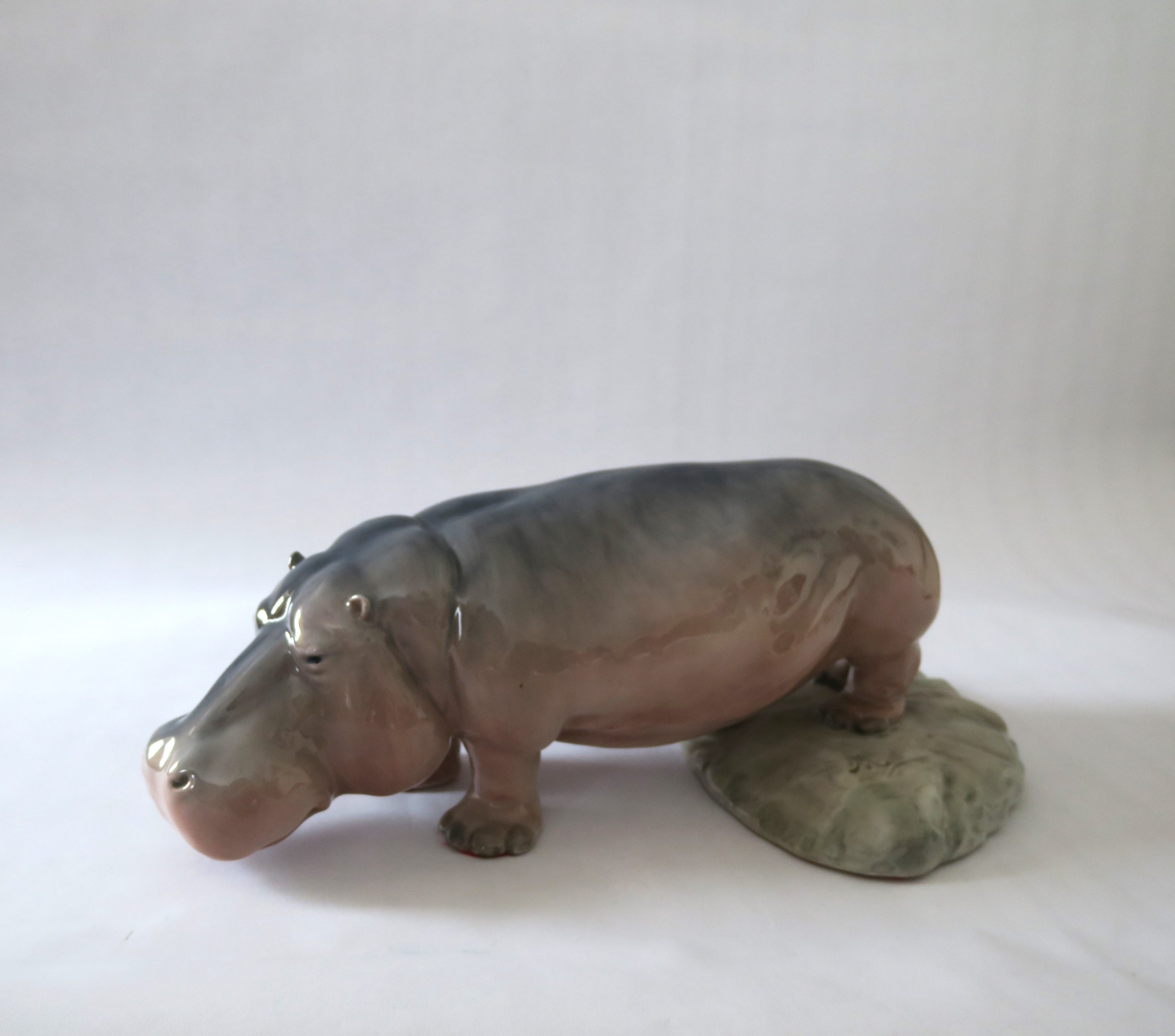
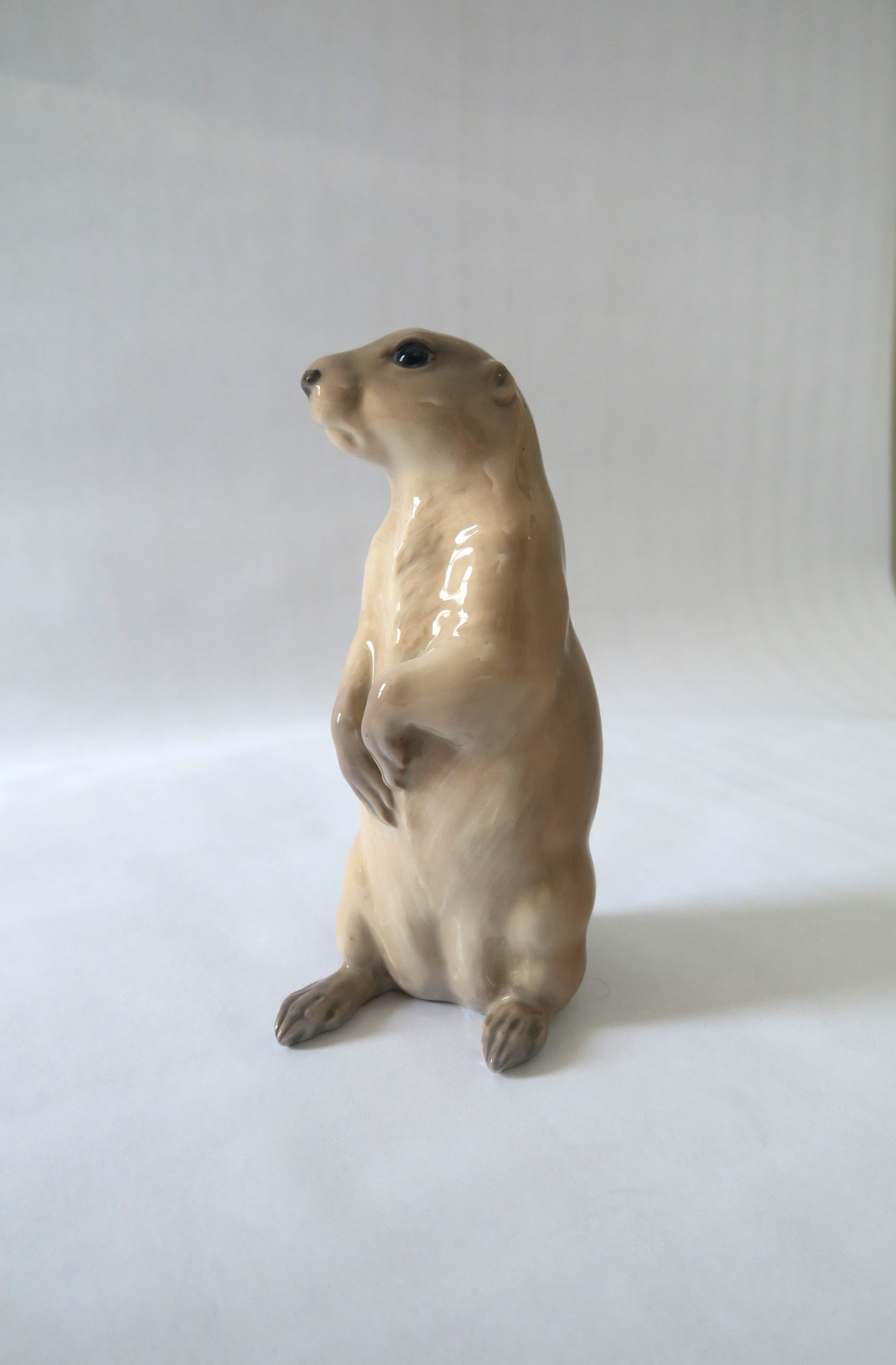
Royal Copenhagen Porcelain was established in Copenhagen in 1775 by the Danish monarchy and is still in production today. The porcelain is known worldwide for its high standards of craftsmanship, immaculate design and being made and painted entirely by hand.
The company makes a wide variety of items such as tableware, figurines, animals, birds, fish, vases, dishes and plates. This exhibition will show a varied sample of animals and birds dating from 1890’s – 1990’s.
Royal Copenhagen’s first ever pattern in 1775 was the Blue Fluted Plain, a blue and white floral design. In the 19th century, Blue Fluted Plain was so highly coveted, the pattern could be found on everything from teapots to chamber pots.
Since 1775, every piece of porcelain that has left Royal Copenhagen carries its factory marks; the three waves, the royal crown and the painter’s mark. These are symbols of authenticity, the royal connection and the mark of hand-craftsmanship.
The figurines from Royal Copenhagen have long been out of production and the only ones still being produced are the annual figurine series. Nature in Art has three pieces of Royal Copenhagen porcelain in its permanent collection, all of which will be on display alongside key works from two local private collections.
The exhibition will celebrate the huge variety and detail of around 50 decorative items, ranging from an early and rare marmot created in the c.1890’s to a Lady Amherst pheasant, one of the most colourful figurines made by one of the few female modellers, Andrea Nielsen. The selection will include miniatures to compliment larger items, with some animals and birds being life size. This will be a rare and exciting opportunity to see so many Royal Copenhagen items together at once.
Entry into this exhibition is included in the admission price to the museum.


A fascinating series of relief editioned original prints, primarily created using wood, lino and stencils, by renowned print maker Julia Manning RE, SWLA. Bringing to life what she calls the ‘incredible – implausible sometimes! – life of Eels.’
Guided by international eel expert, Andy Don, and focusing on areas of Somerset, Manning has learnt about these fascinating creatures and the challenges that they face. Though the medium of print, she has visualised an incredible visual story of eel migration and metamorphis.
The European eel is classified as ‘Critically Endangered’ by the International Union for Conservation of Nature and appears on their ‘Red List’ of threatened species. Since 1970, the numbers of juvenile eels entering European rivers has declined by more than 95%. These Anguillid eels have been around for about 80 million years.
These eels stay in England’s fresh waters for many years, up to 25, before feeling the pull of the sea and heading out on their final migration. These upstream migrations are often less than straightforward because of man-made obstructions such as weirs that are used to regulate and control river flows. Special ‘eel passes’ have been designed and can be installed to overcome these obstacles. Other pressures have been man’s greed by illegal exploitation (smuggling millions of glass eels to Asia), climate change (the shifting of the currents on which the Leptocephali (eel larva) drift and rely) and invasive parasites introduced from abroad.
The story of the Somerset eels seems to resonate across all species. Our local wildlife is truly showing its connection to the global world.
See more on Julia’s website or Instagram Page.
Entry to this exhibition is included in the admission price to the museum. Julia will be giving a talk in conjunction with the exhibition on Tuesday 23rd April. Find out more here.