From Small Acorns
 .
. January 7th – February 2nd
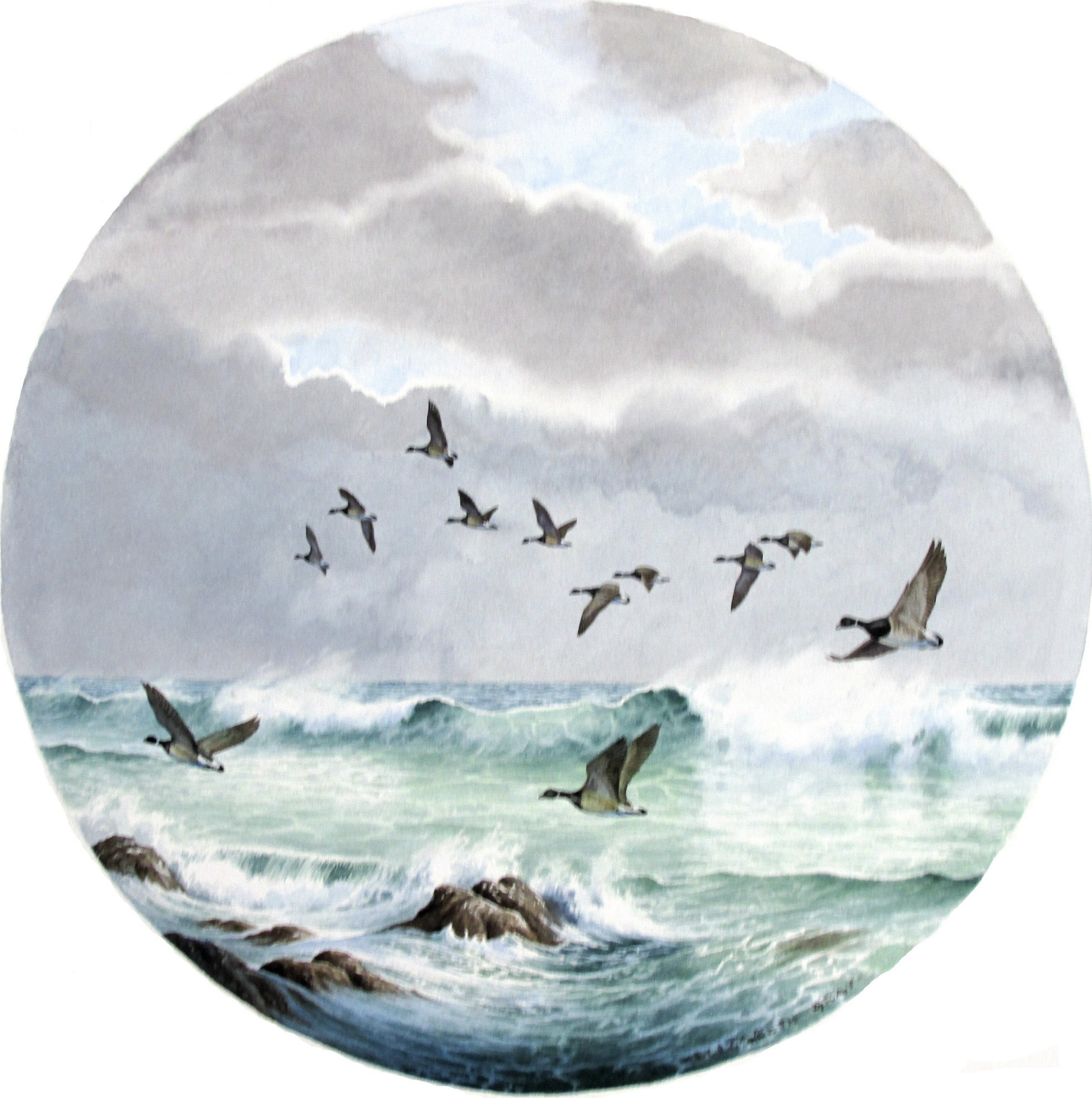
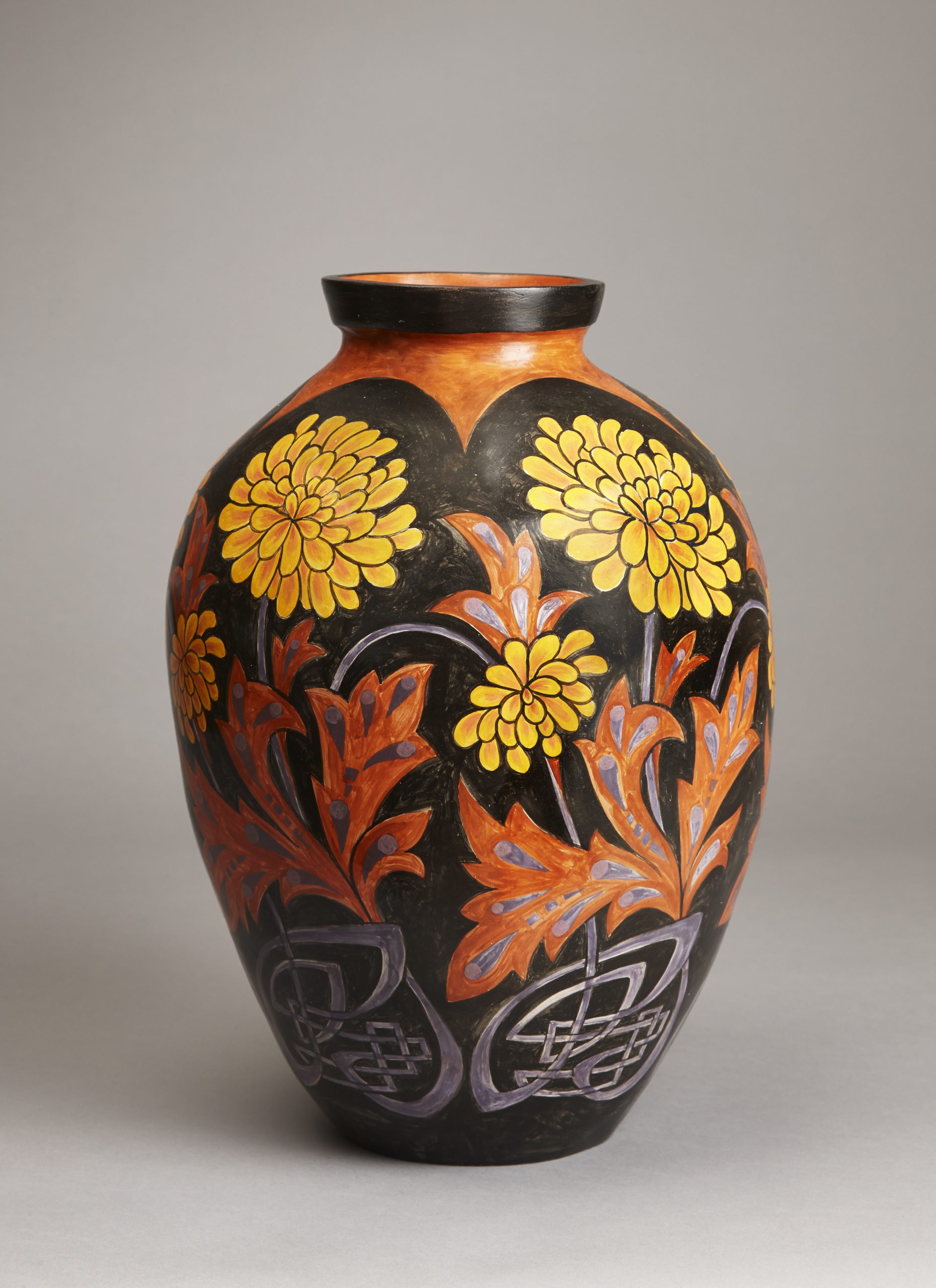
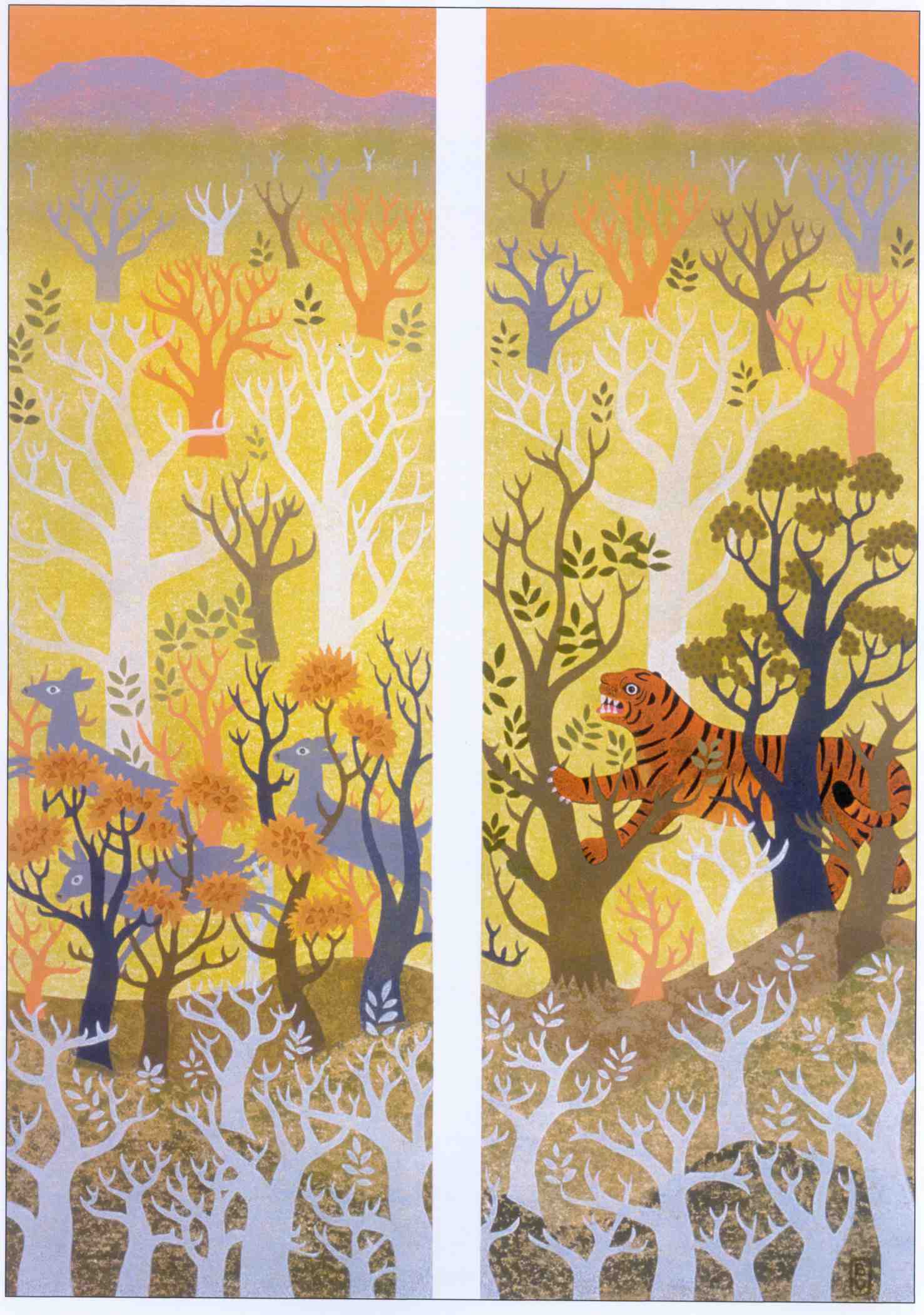
A selling display of 2D and 3D work by Elizabeth Gray.
Elizabeth Gray died in March 2022, two weeks before her 94th birthday. Originally a concert pianist, she was completely self taught as an artist and it was from the ‘small acorn’ of a natural skill that she developed her talent. Her work is held in public and private collection internationally and she was the first person to donate an item to Nature in Art’s collection. A uniquely creative person, her work over the years was as multi-faceted as that of any artist. In fact, so diverse were her influences and output, she used different names for different elements of her work – Elizabeth Gray, Ben Venuto and Emmie Gee. It is likely that many people had no idea that these different names were in fact the same person. For her, the diversity of her work was as natural as night and day, yet to many it is still hard to believe that her creations came from the same artistic soul.
The exhibition includes watercolour paintings, pastels, drawings, reduction lino cuts, mixed media work, ceramics, decoupage and more.
In her life-time, all the proceeds from her work were donated to charity, particularly relief work in the developing world (including the purchase of an aeroplane for medical relief work in Africa). In this case, 100% of the proceeds from sales will benefit Nature in Art Trust. Prices range from under £50 to £1000. We are most grateful to the family for making these works available to benefit the Trust.
Gloucestershire Society for Botanical Illustration
February 4th – 13th
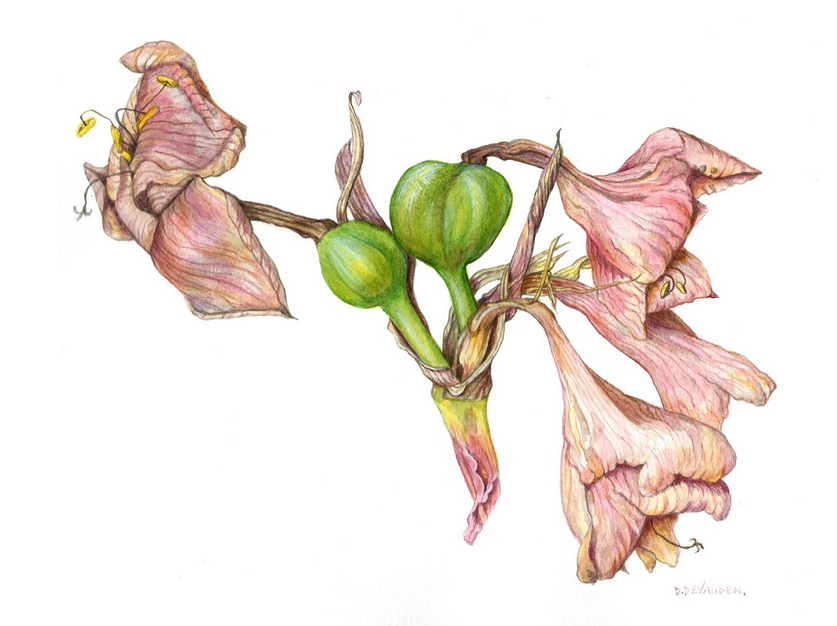
The Gloucestershire Society for Botanical Illustration annual exhibition. Members include winners of the Royal Horticultural Society’s Gold, Silver Gilt and Silver Medals.
Meet members every day. Some exhibits for sale.
Wildlife Photographer of the Year
4th February – 6th April
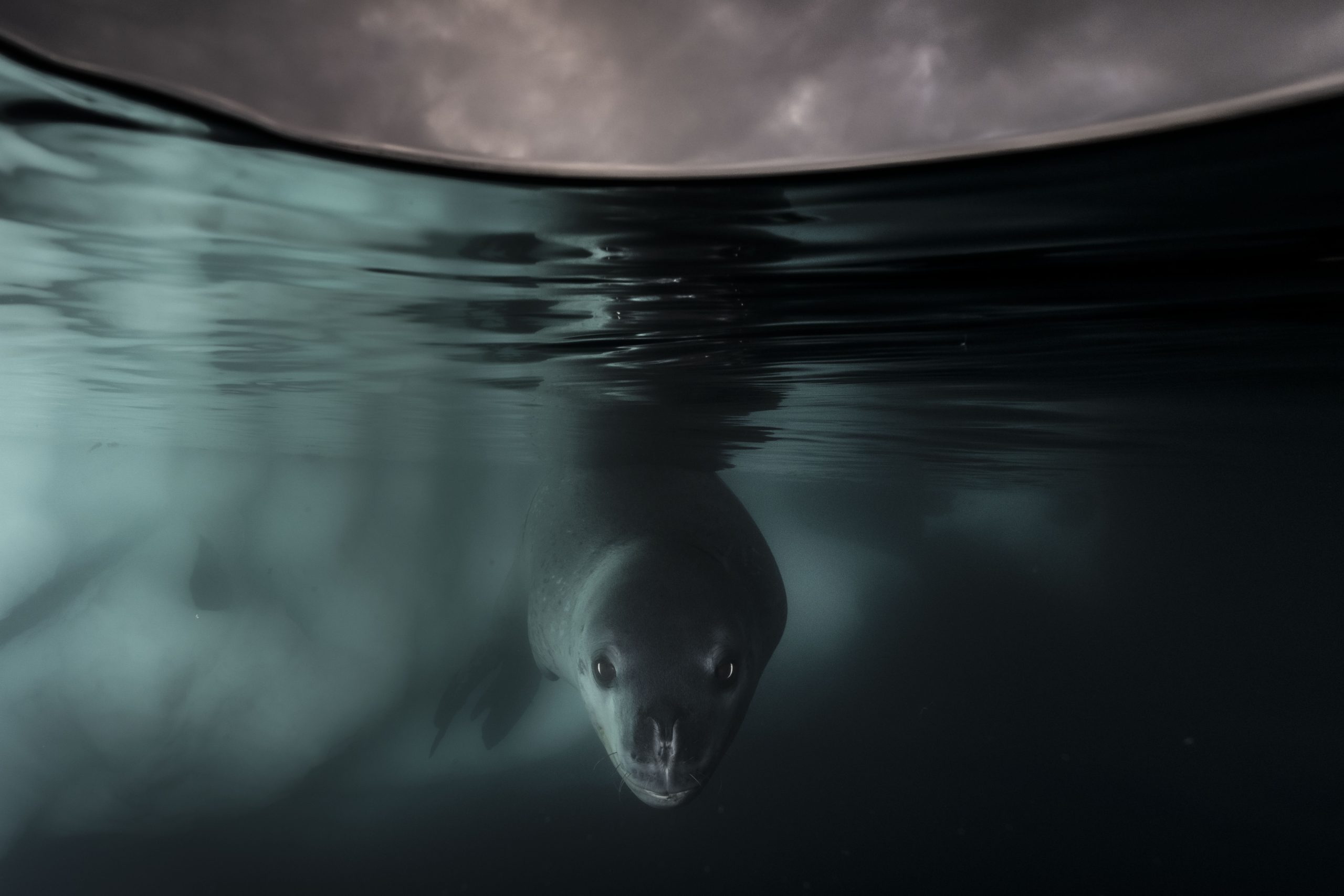
Selected from 59,228 entries from 117 countries and territories, the winners of the Natural History Museum’s prestigious competition in its 60th year are all on show in this stunning exhibition of 100 images revealing the natural world’s most astonishing and challenging sights.
Inspired by Nature
February 15th – 23rd

A colourful selling display by five local artists from Junction 12 Art Group. It includes art, landscapes, figurative and abstract paintings, plus fused glass.
Meet artists each day.
Disappearing Woodlands – Disappearing Skills


April 8th – 27th
A sumptuous display by members of the Goldwork Guild showcasing varied techniques of hand and goldwork embroidery. The show aims to revive these endangered art forms to portray the intricacies of woodland nature.
The exhibition will feature the historic, traditional and modern interpretations of two and three-dimensional hand embroidery whilst embracing the use of modern textiles and textures. These together with the use of meticulously reproduced historical materials and techniques that have now been in decline for decades or even hundreds of years, will showcase the art form in the round.
See members demonstrating April 12th, 13th, 19th, 20th, 26th and 27th.
Same Sea, Different Boat
April 12th – 27th
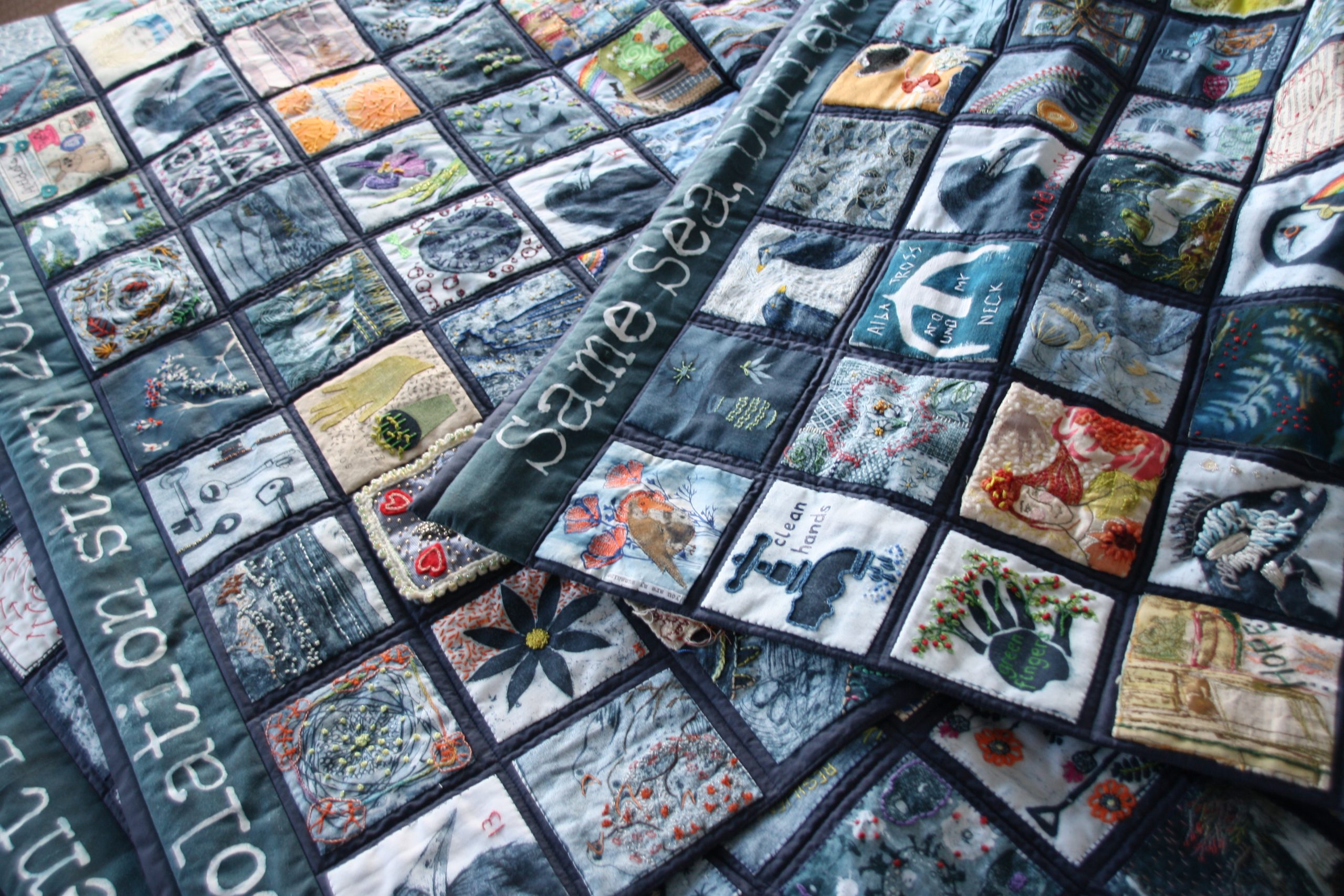
See the power of craft as a force for good, helping us share stories, relieve stress and connect with one another. An open-ended project, over 600 printed and stitched squares, joined into panels, have produced a large community quilt.
Nature in Miniature: May 6th – June 8th


An exhibition of exquisite 2D and 3D works celebrating wildlife and nature in miniature by members of the Royal Miniature Society. Founded in 1896 the Royal Society of Miniature Painters, Sculptors and Gravers promotes and champions the genre of miniature art. This show will include close to 200 exhibits.
While the traditional subject matter of portraiture continues unabated, today’s Miniaturists incorporate a very broad range of subject matter, including landscapes, still life, marine and wildlife, as well as fresh and innovative styles and subjects.
So, what is a miniature? Whilst there is no definitive answer, a miniature can be described as a fine work of art with exquisite detail in a frame size no more than 15 x 11.5cm or under 20cm for sculpture. Eizabeth Meek MBE, who was the Society’s President from 2004 – 2013, described working as a Miniaturist as the most demanding of all painting genres, ‘Concentration, stillness of mind and body and a dogged perseverance for perfection — the perfect miniature needs to be devoid of errors.’
The Society’s 130-year legacy still endures with over 90 of its members and non-members contributing to its activities.
See an RMS member at work on 24th May and see miniaturist sculptor, Philip Nelson, at work 3rd – 8th June.
Ros Wise Garden Paintings

A special display to coincide with the National Garden Scheme Open Day. This is a feast of large canvases capturing the contrast in tones and colour, and the vibrancy, energy and beauty found in gardens, alerting us to the power that nature holds for us.
Growing Together: A Photographic Exploration of Community, Heritage, and Healing Through Gardening
Growing Together explores how gardening connects people and improves well-being. 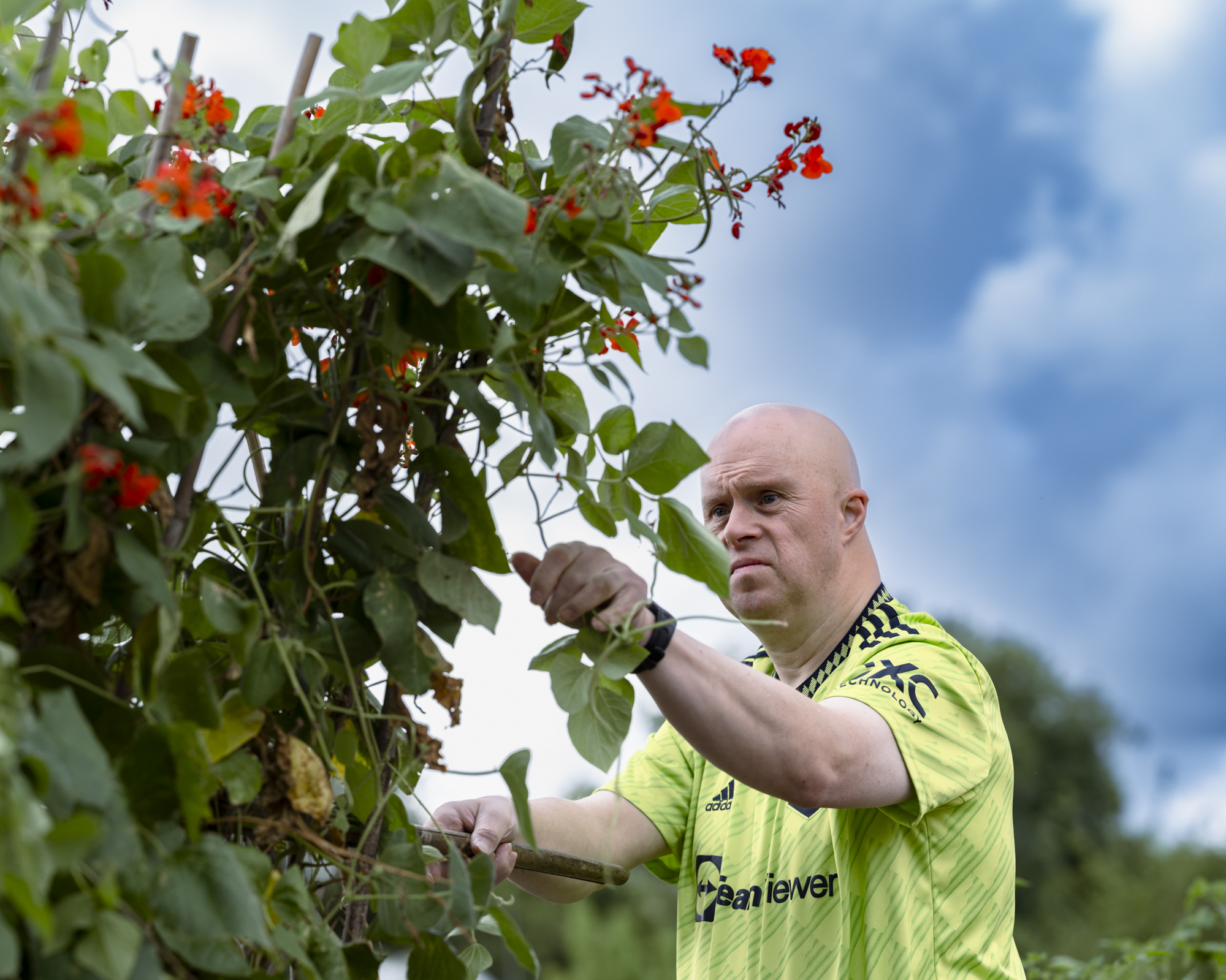
Social prescribing provides activities that support emotional and mental health, as is evident each week, when a group gathers at an allotment in Gloucester, where the simple act of gardening becomes something powerful.
Here, people facing disabilities, mental health challenges, and social isolation find healing through nature and community bonds. Beyond growing vegetables, allotments bring people together, foster connection and support, creating a space where nature unites.
Historically, allotments have been safe havens for working-class people, providing food, purpose, and pride. These spaces hold deep cultural significance, reflecting resilience, creativity, and shared traditions.
Through portrait photography, Stefania Distante captures the heart of this community, highlighting the strength, heritage, and transformation that flourish in these gardens. This project celebrates how gardening fosters botanical, personal and collective growth.
TWASI
May 24th – June 1st (including B.Holiday Monday)
 .
. 
The annual selling exhibition of the Wildlife Art Society International. Over 350 works, both 2D and 3D. The Society is a focus for the interests of wildlife artists, painters, sculptors and photographers. Demonstrations every day.