
Last September saw the death of Nature in Art’s founder, David Trapnell, aged 95. His interest in art and nature was obvious as a boy and, even though he spent his working life as an eminent radiologist, it seemed inevitable that those early influences would emerge in a profound way at some point in his life. Being married to the artist Elizabeth Gray (also known as Ben Venuto), who died in 2022, was the inspiration he needed to embark on what he called ‘his second wind’ – an enthusiastic passion for discovery and learning in the arts that resulted in the establishment of Nature in Art.
David was always a collector. He said that his first collection as a boy was ‘stickers off bananas’(!), but in later life his collecting interests included fossils and stones (which he also polished) to buttons and bottles, clay pipes to bird skulls, postmarks (for which he was an acknowledged expert and published many books and papers) and eighteenth century newspapers to orchids. Even though, for a long time, he was not involved at the coal face at Nature in Art, he was a trustee until his death and was always cheering and encouraging from the sidelines and looking for new additions that might be considered for the collection.
Just a few months before he died, he saw an intriguing door finger plate (made by Spode) with a nature inspired decoration. He wondered whether there were any collections of these items anywhere and set about contacting national and local museums to find out. It seemed not. There also appeared to be no books on the subject either, so he began collecting as many nature inspired finger plates as he could, trawling the internet and finding people to drive him to antique fairs and the like. At the same time he began to undertake research for a paper or booklet on the subject. Sadly, he never got the chance to see that project to its conclusion, but the small selection of finger plates that he did acquire will soon be part of our collection. Some will be included in this display.
Most Friends of Nature in Art will know that the idea of Nature in Art was born in 1982 at a time when David had no money, no collection and no building – just what he hoped was an inspiring idea. He set up a charity to establish and then own and manage a museum. Soon he was winning over hearts and minds, and he did the difficult thing – he got the Nature in Art ball rolling from nothing, so effectively in fact, that within 6 years we had got to the point of opening our doors to the public, following the purchase of Wallsworth Hall in 1987. Then, in 1988, after a huge amount of work, HRH Princess Alexandra opened the museum, which was free of debt and had the beginnings of an unrivalled collection.
Many of the items had been generously donated by artists and private collectors, but David, a treasure hunter at heart, also spent a huge amount of time searching out items that might be added to the collection (and for which funding had to be found too).
That instinct to always be ‘on the hunt’ and looking in new places, stretching our outlook from, for example ‘wildlife’ to ‘nature’, and from just fine art to embrace decorative and applied art too, opened up huge possibilities. That broad view underpins our mission to this day.
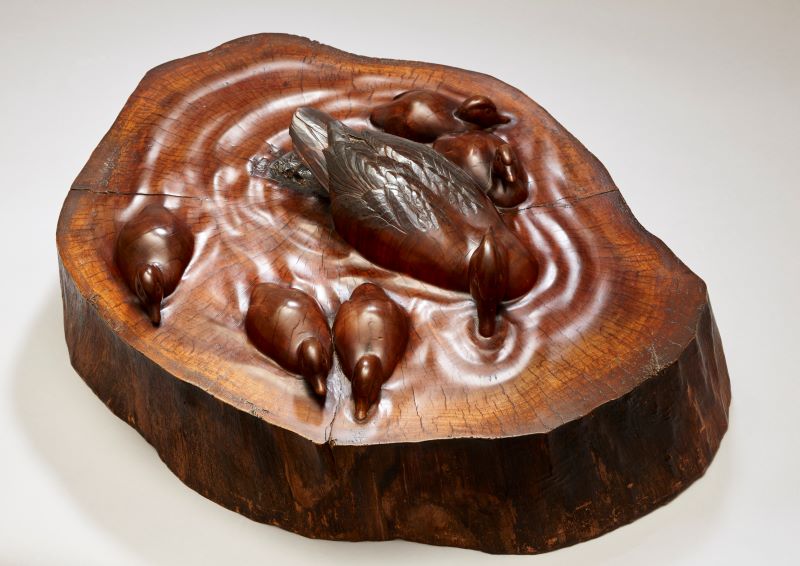
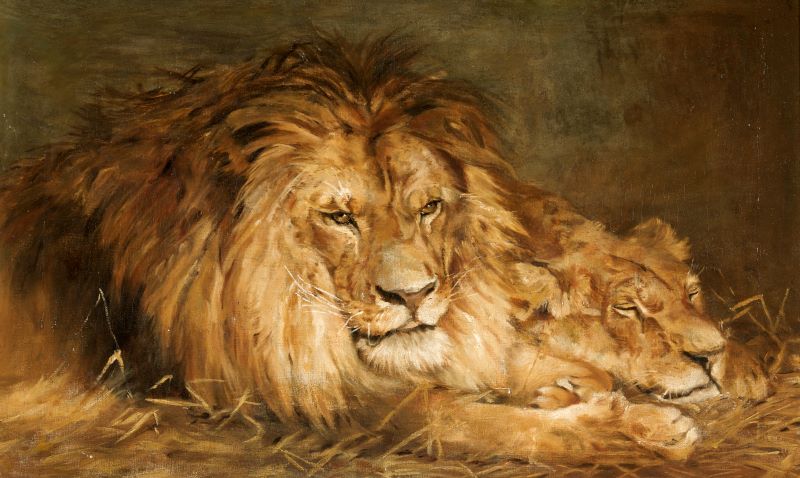
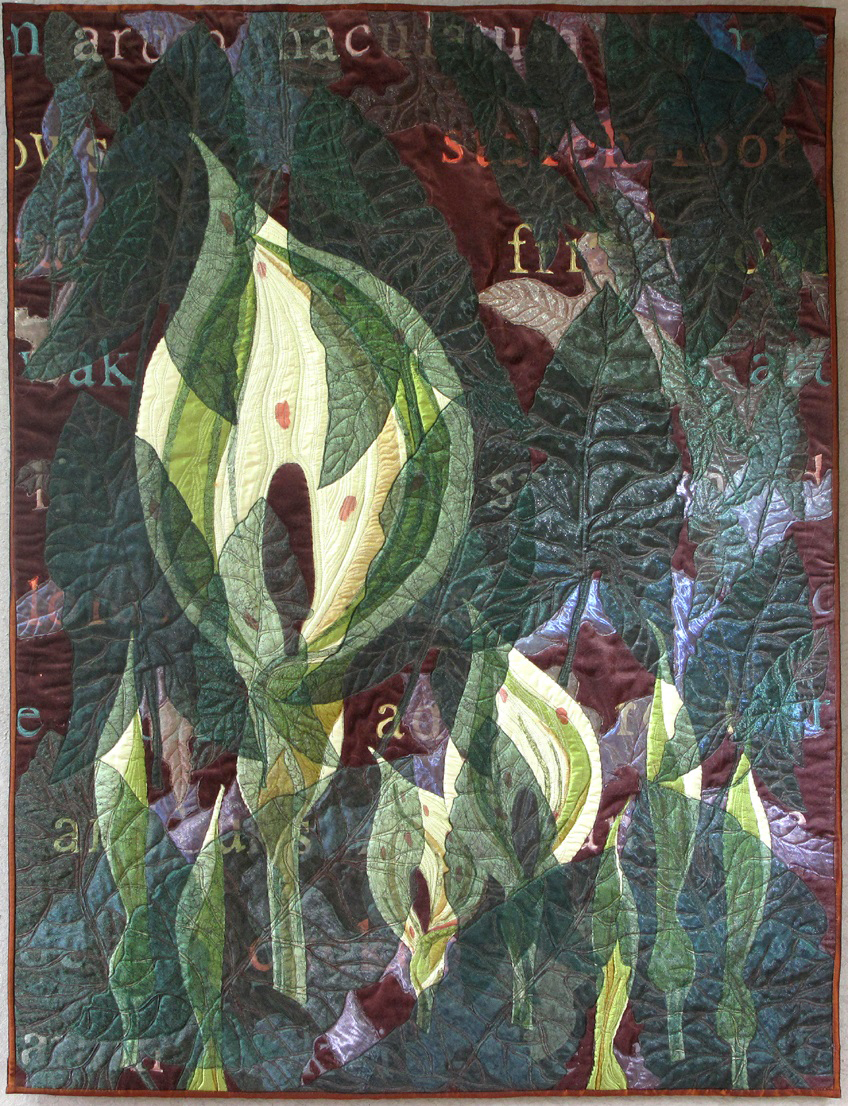
So, this exhibition will highlight some of the items that David personally found for the Nature in Art collection, some of which we secured funding for from the likes of the Art Fund, V&A Purchase Grant Fund and others. Of course, there were other occasions when items were found and we could not secure funding or, if they were in an auction, exceeded our budget, but treasure hunting always involves disappointments too!
The stories behind some of the exhibits are recalled in David’s book, ‘Following the Dream’, published last year, priced £14.95.
In addition to some of the items he chose to include in his book, will be other items that have helped broaden the depth and diversity of our collection. As we hope is the case when any visitor comes to Nature in Art, we trust that you find amongst this selection work that you expect to see, but also others that may be unfamiliar, broadening your appreciation and passion for the arts.
An evening talk has been arranged to accompany this exhibition