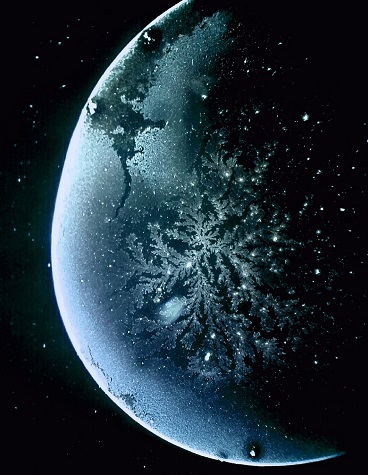
The Water Universe Exhibition at Nature in Art is the first showing of Julie Askew’s water research project, in collaboration with British Antarctic Survey, the Cabot Institute and Bath Spa University.
Join Julie Askew as she takes you on a visual feast to discover where art and science meet in a breathtaking microscopic watery world. Observe ice and water as you have never seen it before, learn the story behind the dramatic photographs and how the 3D painted artworks evolved from paper to sparkling cubes.
Christmas Celebration with the Gloucester and District Christian Choir.
Come and join us to bring in the Christmas Season with a festive selection of Carols and Songs brought to us by this local community choir.
The choir was formed 22 years ago and, even though it mainly sings in and around the county, it travelled to India some years ago to perform there.
Part of the ticket will be donated to Gloucester Foodbank.
Doors open at 7pm to view the galleries. Festive snacks at 7.30pm followed by concert.

Taking the title of Bird Photographer of the Year, the Overall Winner is ‘Rock Ptarmigan Flight’ by Erlend Haarberg. It features a Rock ptarmigan in winter plumage taking flight over the frozen landscape of Tysfjorden, Norway.
2022 is the seventh year that Bird photographer of the Year has been held and it already has firmly established itself as the pre-eminent competition of its sort.
Bird Photographer of the Year is a global photographic competition: it is a celebration of avian beauty and diversity, and a tribute to the flexibility and quality of today’s modern digital imaging systems. Never before has there been a competition of this scale dedicated purely to the growing interest in, and passion for, photographing one of the most interesting and engaging areas of natural history – birds. The advent of digital technology has revolutionised photography in recent years and some fantastic images, of a quality that wouldn’t have been possible in the days of film, now proliferate on the internet for millions to see.
This display will be fresh from its launch in September and feature images taken by photographers from across the world, selected from 20,000 entries, representing a mix of photographs taken by both hardened professionals and keen, skilled part-time photographers who, as well as having an eye for a picture and knowledge of their subject, have developed ways to exploit the potential of the ever-developing digital world. With categories from birds in the environment to bird portraits, bird behaviour and birds in flight, ‘Attention to Detail’ and black and white, urban birds and creative imagery, plus other awards including the Portfolio Award and Video Award, there is a feast of remarkable images to enjoy.
Profits from Bird Photographer of the Year contribute to Birds on the Brink funds and help support bird-related conservation projects on a grant-awarding basis, using small grants that will make a measurable difference. www.birdsonthebrink.co.uk www.birdpoty.com
 © Jose Fragozo / Wildlife Photography of the Year
The world-renowned exhibition, on loan from the Natural History Museum in London, will open at Nature in Art, featuring exceptional images which capture fascinating animal behaviour, spectacular species and the breathtaking diversity of the natural world. Using photography’s unique emotive power to engage and inspire audiences, the images shine a light on stories and species around the world and encourage a future of advocating for the planet.
Wildlife Photographer of the Year is the most prestigious photography event of its kind, providing a global platform that showcases some of the best photography talent from around the world for over 55 years. Launching in 1965, today the competition receives entries from over 90 countries all over the world, highlighting its enduring appeal. This year’s award-winning images will embark on an international tour that will allow them to be seen by well over a million people.
The images were selected from 38,575 entries from 93 countries. From the rainforests of Central Africa to the oceans of the New Zealand coast, the exhibition showcases the best in nature photography, capturing rarely seen animals, incredible behaviours and striking landscapes.
Link to Wildlife Photographer of the year images: https://www.nhm.ac.uk/wpy/gallery
Wildlife Photographer of the Year is developed and produced by the Natural History Museum, London
 © Tiina Törmänen / Wildlife Photographer of the Year

The Gloucester Society for Botanical Illustration celebrates its 30th anniversary in 2023. Their membership includes winners of The Royal Horticultural Society’s gold, Silver Gilt and Silver medals, both in the Grenfell(for art pictures) and Lindley (for scientific illustration) range.
Meet artists every day whilst viewing this inspiring display.
19:00 Doors
19:30pm Finger Buffet
Talk starts around 20:10
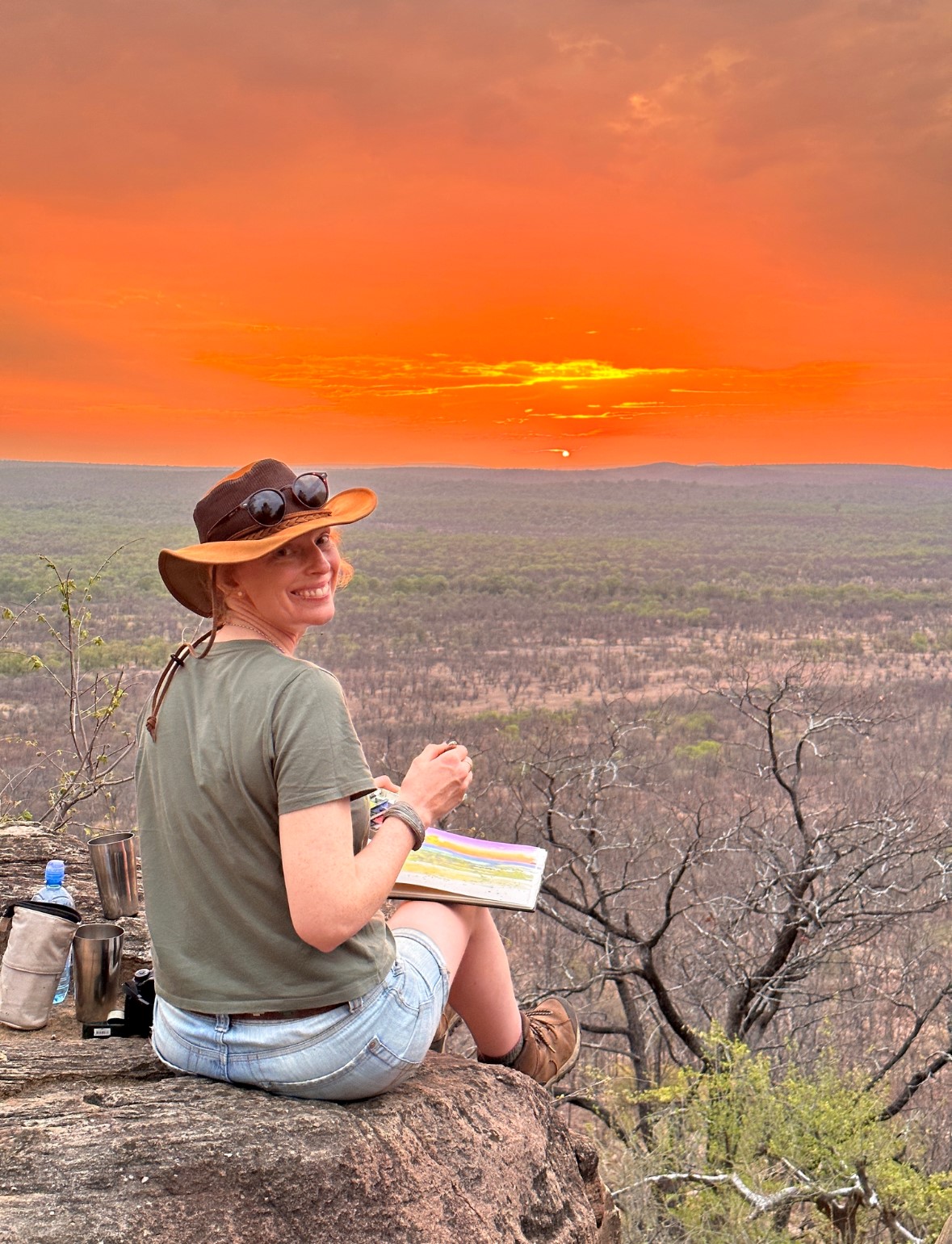
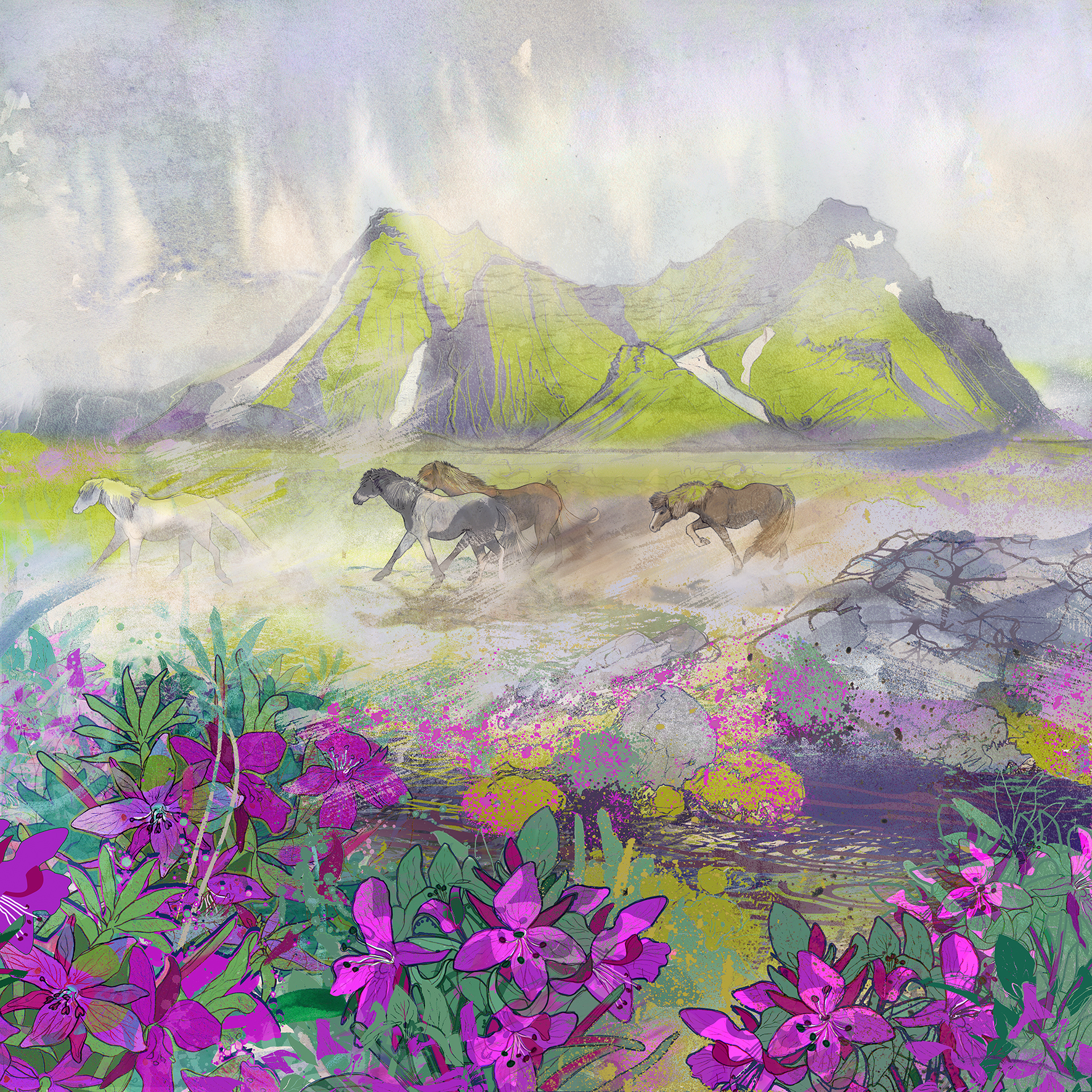
Wildlife artist Shelly Perkins shares her passion for travel and the natural world through her own photographs, sketches and studio works. Share Shelly’s global adventures to seek out the wild places on our planet and explore with her the fascinating flora, fauna and landscapes that those travels have revealed. See then how these travels, from places as diverse as Africa to Antarctica inspire her finished pieces back home.
An evening for all!
£10 per person
BOOK NOW

Held in the atrium of the Education Centre (and in the shop), this is a collection of limited edition (almost all signed) reproductions by artists such as Gary Hodges, Simon Combes, Anthony Gibbs, David Shepherd and more. All have been generously donated to be sold in aid of two charities: Medical Detection Dogs and Nature in Art. Some are to be sold 100% in aid on Nature in Art.
Included in the selection are some very collectable images, almost all framed, with prices ranging from as little as £25. This is an opportunity to acquire fine prints at sensible prices, firm in the knowledge that all the proceeds are supporting charities.
Please be aware that, very occasionally, there will be times during this exhibition when access will be restricted or time limited due to other events happening in the Centre. Exhibition not available until 2:30pm each day on the 8th, 9th, 10th, 16th, 21st, 23rd and 24th of March.
For details of prints in our shop, please call 01452 733946.

19:00 Doors
19:30pm Finger Buffet
Talk starts around 20:10
Debbie is Chair of the Gloucestershire Society of Botanical Illustration. From early cave paintings, ancient Egyptians, Medieval Monks, right up to the present day, plants have been depicted in one form or another. With potted histories of some of the most famous artists, this talk will take you from those earliest days through the age of discovery when Botanical Illustration was at its peak. Today Botanical Art is currently undergoing a renaissance with more and more people practicing and appreciating this fascinating art form.
An evening for all.
£10 per person
BOOK NOW

This exhibition is one of a series held in our Education Centre, living out our commitment to collaborate with local community groups.
Art For All is a group of artists who use the natural benefits of art and being creative as a way of improving their mental health and combating isolation and loneliness. The groups meet weekly, to draw, paint and print-make.
The artwork in this exhibition is created from their experiences of how being in and observing nature makes them forget their worries and connect to something bigger.
Their aim through exhibiting is to have conversations about the benefits of art and nature as a healing tool, and to de- stigmatise poor mental health by opening up conversations.
Meet members of the group every day.
https://www.artforallgroup.co.uk/home/

THIS EXHIBITION HAS BEEN EXTENDED TO JUNE 4th BY POPULAR DEMAND (previously advertised as ending on May 21st)
The very first item to be accessioned into the Nature in Art collection was by Elizabeth Gray, a watercolour entitled ‘Trouble Overhead’, depicting grouse cowering on the moors as an eagle flies above. At that time it was typical of the work she was producing, although as one tracks her artistic career from then on, it quickly becomes clear that she was a unique creative soul who, over her lifetime produced what many observers consider to be an unrivalled output, certainly in terms of its diversity.
On March 19th last year Elizabeth died, just a couple of weeks before her 94th birthday. Since then we have been given access to her studio and have discovered some remarkable and fascinating works, some of which even the family were unaware existed. It confirmed in us her reputation as a prolific, adventurous artist constantly experimenting and pushing the boundaries. Such an artistic legacy is all the more remarkable when one considers that she had no formal art training.
Inevitably, we cannot be certain where some of the pieces precisely fit into her artistic journey. Many are unsigned, untitled and very probably because of that, unfinished. Yet they are a fascinating insight into the creative process and how aspects of nature from the large to the small were a precious inspiration to her.
Secrets of the Studio then, is almost exclusively works that have never been previously shown anywhere. This is a genuinely unique collection that includes many aspects of her output in an inspiring and varied display.

Firstly, there are watercolours of wildlife, particularly birds in a landscape, for which she became especially well known in the 1970’s and 80’s, exhibiting in the UK with the likes of Peter Scott and David Shepherd and in the USA with the likes of Robert Bateman. She also regularly featured in the world renowned ‘Birds in Art’ at the Leigh Yawkey Woodson Museum in the USA, who also commissioned a work for their permanent collection.
Proceeds from the sale of most of these works were accumulated to fund the purchase of an aeroplane for relief work in Africa. Indeed, throughout her artistic life the proceeds from her work were given away to charity, including Nature in Art.
Secondly, there are botanical illustrations. These were painted as botanically correct images, requiring real discipline and accurate observation. Looking closely at the pictures it is clear that none of them have been drawn first. She has simply painted directly onto the paper – an unusual feat. The only pencil is her name and, in some cases, the name of the plant. Complementing these are a number of floral still life compositions and works combining pencil and paint (above). These appear to have been a part of a phase in her artistic output before she began experimenting in other styles and media, and ultimately adopting another name for some of her work.
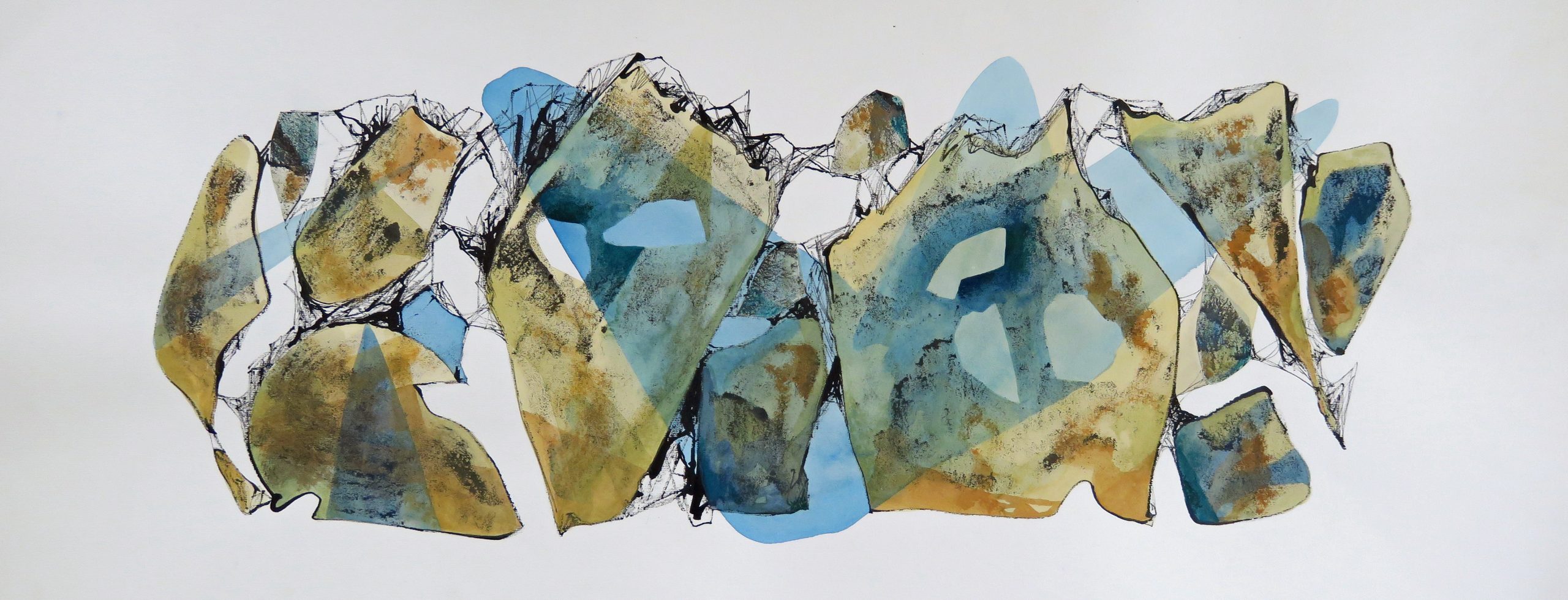
Thirdly, we have focussed on a particular area of fascination for her – rocks. Amongst the items we found were detailed paintings of pebbles to larger abstract pieces inspired by geological formations, produced in a wide variety of media (very often mixed). This gives an insight into how, once inspired by a particular theme, Elizabeth followed it with, it would seem, no clear idea of where she would end up. The idea was to enjoy the process and seek out fresh ways to express the insights she saw. It was a journey of discovery, not just of the theme, but the media too.
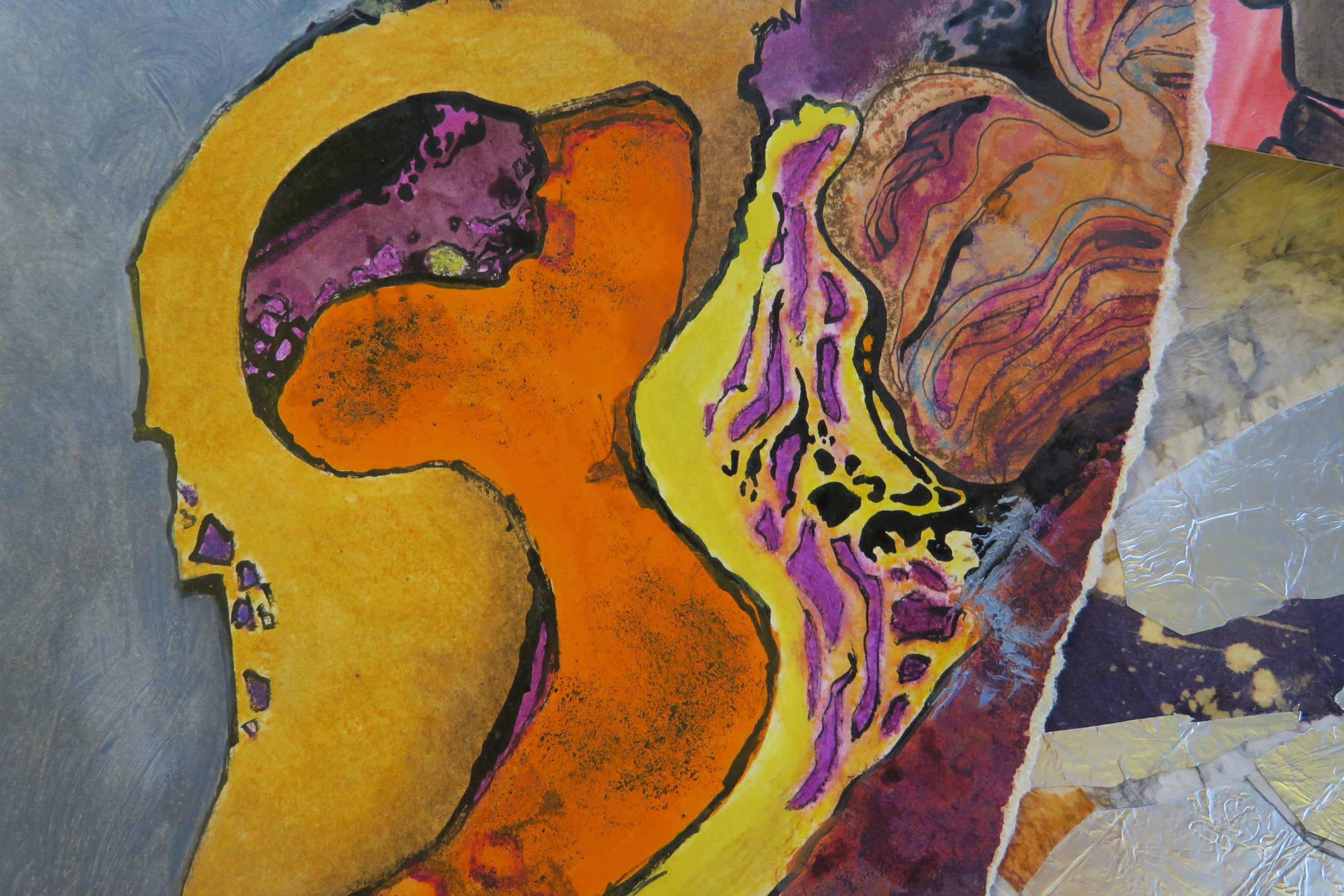
Fourthly there is printmaking, to which she dedicated much time later in her career. She was particularly interested in reduction printing, sometimes referred to by artists as ‘suicide printing’ because, rather than having a separate block for each colour, just one block was used. In her case some of the blocks were almost 1m in height and, having no printing press, all had to printed by rubbing with a wooden spoon on the back of the paper. No mean feat! Fascinatingly, we discovered examples of where she had poured plaster or pressed wet tissue paper into a carved block to create a relief. Some were used for the covers of some of her one-off hand-made books.
It is clear that Elizabeth displayed real discipline in all the phases of her work, particularly when learning a new media. For example, she was given a computer for her 80th birthday because the physicality of some of her work was becoming increasingly challenging and the thought of creating work digitally had quite an appeal. So the fifth area is digital work and hand made books which were partly a spin-off from that process. Digital media required a different way of thinking, but once grasped she produced, self-taught as ever, some varied work, exploiting the potential of this new way of working. She was not one for standing still.
Accompanying the main exhibits will be examples of experimentation, tests, stencils and other elements that give an idea of the processes used and her desire to always try something new. In a book of her work published in 2015, a quote from Pablo Picasso (1881 – 1973) was used, which seemed very apt for her approach to art – ‘I am always trying that which I can not do, in order that I may learn how to do it’.