

An inspiring display of sculpture by Anita Mandl and photography by Steve Russell, in collaboration with Gallery Pangolin, Stroud.
Where would we be in a world without animals and birds? Their beauty astounds, their diversity is myriad. Both Anita Mandl and Steve Russell celebrate these
in their very different ways. The animal world Mandl carves and casts is tightly hewn in form bringing to life the essential character of her avian and mammalian subjects.
Russell explores wildlife large and small with the knowledge of their place into an ecological jigsaw puzzle of immense complexity.
Anita Mandl is already represented in the Nature in Art Collection, with this exhibition being a perfect opportunity to see a larger collection of her work. Nature in Art acquired ‘Prostrate Buffalo’ in 2005, a cast resin marble sculpture of a buffalo lying down. (below). Steve Russell also had a solo exhibition here in 2013.
There will be a preview evening for this exhibition on Thursday 9th May. Please click here to find out more.

Anita Mandl:
Born in Prague, Mandl (1926-2022) trained as a zoologist and studied sculpture at the Birmingham College of Art. She was a Member of the Royal West of England Academy and a Fellow of the Royal Society of Sculptors. Her carvings, mostly in stone, are cast into editions in bronze and
silver. Her deep knowledge of animal anatomy and behaviour informed her sculptures which are skilfully pared down to convey the very nature of a species. Their economy of language, their smooth and lustrous surfaces, together express the essential characteristics of an animal.

Steve Russell:
Born in the UK, Russell (b. 1969) has shot photographs since he was a child, his passion for the camera eventually prompting his father into building him a darkroom. That proved an enlightened investment, ultimately helping Russell transform a schoolboy hobby into an award-winning career. Frequent journeys to East Africa over the last twelve years have provided Steve with huge inspiration and the opportunity to photograph an impressive variety of animals and bird species as well as staggering scenery, from the Rwenzori Mountains of Western Uganda to the Tanzanian coastline. https://www.steverussellstudios.com/

https://www.gallery-pangolin.com/

The annual selling exhibition of the Wildlife Art Society International (TWASI). Over 320 works both 2D and 3D. The society provides a focus for the interests of wildlife artists, painters, sculptors and photographers both professional and part time.
TWASI was founded in 1992 and has grown to be one of the leading Wildlife Art Societies in the UK and continues to grow in recognition internationally.
The basic aims of the Society are the promotion of the wildlife art genre in its own right, whilst providing a focus for the interests of all wildlife artists, painters, sculptors and photographers whether they are professional, serious amateur or leisure artists.
There will be demonstrations everyday.
The exhibition will be held in a marquee on the front lawn. Free Entry.
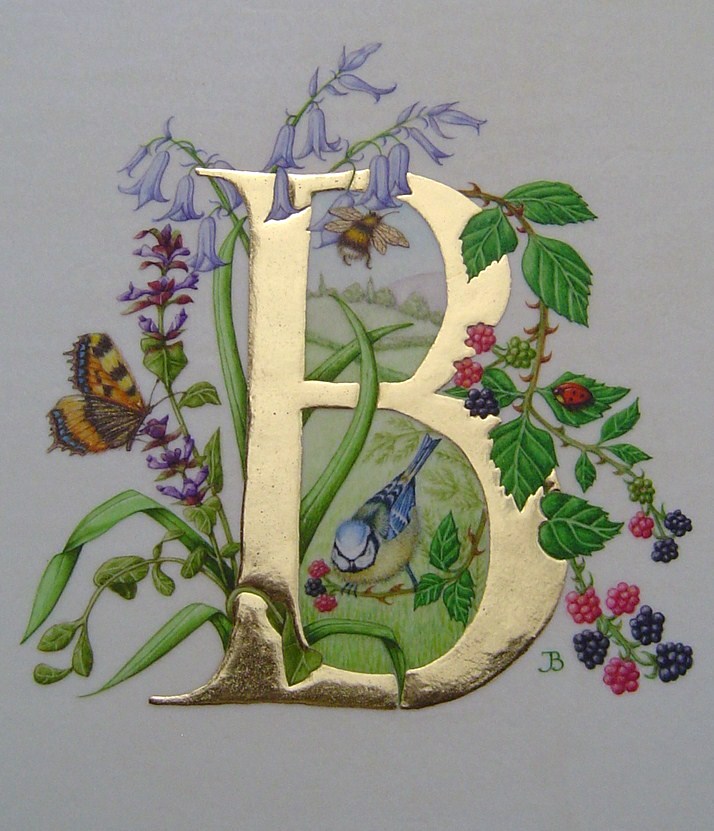
An exhibition of work by Gloucestershire Lettering Arts embracing diverse calligraphy and lettering on the wall, in books, on boxes, pots and textiles. A wide range of styles and techniques transforming words into beautiful works of art. Demonstrations every day.
The group began life as Glevum Scribes, founded in 1991 by professional scribes, sculptors, engravers and tutors, who wished to form a group for people to share their lettering-based interests and to learn from each other. It continues to flourish with a membership of over 60 people.
This exhibition will take place in the Atrium of the Education Centre. Free entry.
 Richard Deacon CBE
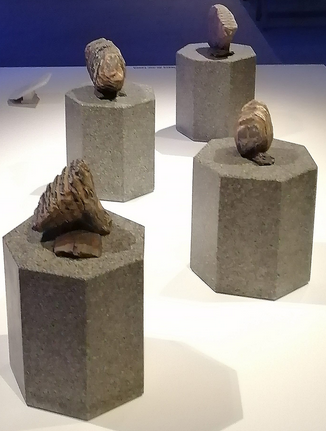
This display features work by renowned artists and sculptors and comes from Explorers Against Extinction, a campaigning charity with whom Nature in Art has worked in the past.
Amongst the exhibitors are Richard Deacon CBE, Emily Young FRBS, Peter Randal-Page RA, Andy Goldsworthy OBE, Michael Pinsky, David Nash OBE RA, Eleanor Lakelin, Julian Stair OBE, Jon Foreman, Conrad Shawross, Sebastiao Salgado and Michael Kenna.
Extinction is a new initiative for 2024/25 that highlights the effects of climate change issues through art and will help highlight the work and campaigns of the charity.
Selected sculptors and artists were invited to create a special collection of artworks highlighting climate change, including artworks featuring fossils, artefacts, sediments and landscapes from Happisburgh on the east coast of England where Explorers Against Extinction is based. Some participants have produced video works and others have made sculpture using materials taken from Happisburgh itself. David Nash OBE RA, for example, has made a piece from 800,000 – 1 million year old wood preserved in the early sediments found on Happisburgh beach.
Happisburgh is the site of the earliest known human occupation in the UK, dating back 900,000 years. It will be one of the first UK communities lost to coastal erosion. As its sand cliffs are eroded, relics of extinct species and early humans who lived nearly one million years ago are exposed. Fossils from mammoths, elephants and rhinos are found on the beach, together with ancient flint tools and wood from drowned forests – all made extinct by historic climate change.
Extinction takes these relics and uses them to highlight the devastating consequences of climate change through time. Some works will highlight today’s endangered species, threatened by manmade climate change.
The Extinction exhibition is to be launched in April at the Palace of Westminster and then start its tour at Nature in Art. Later it will be visiting Edinburgh, London and Norwich before being shown elsewhere.
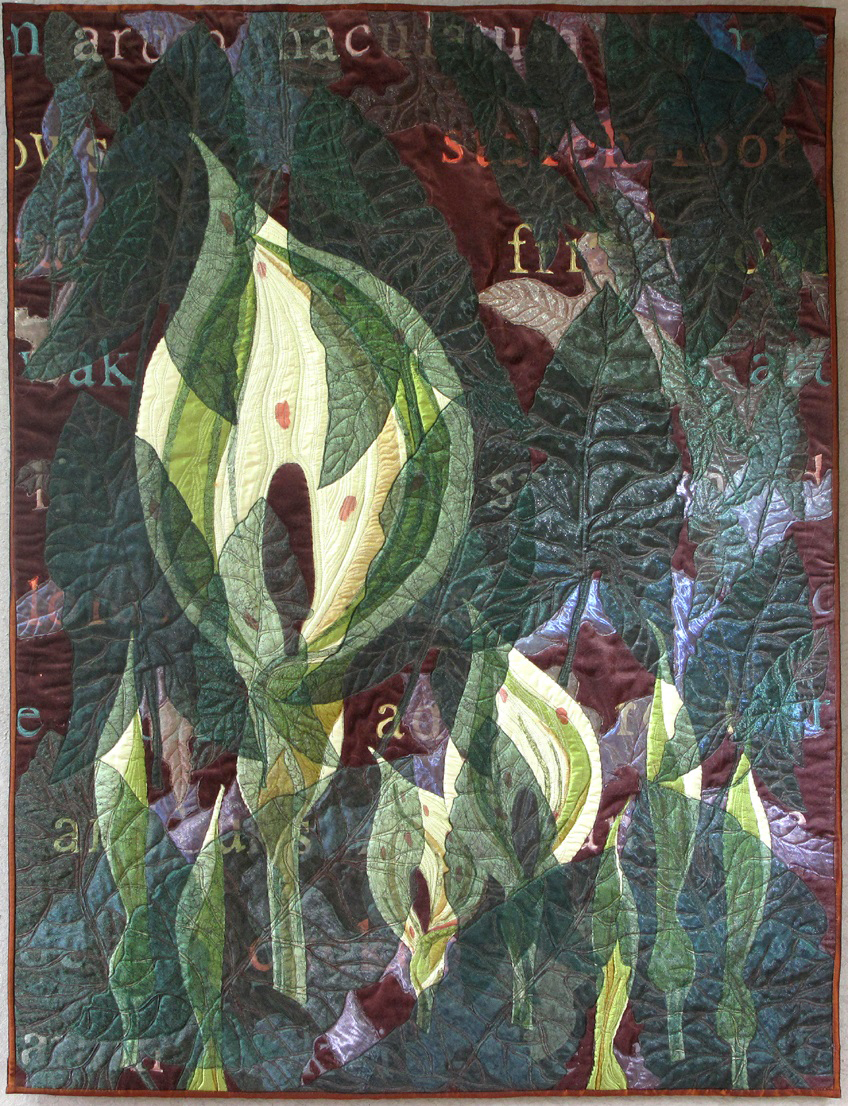

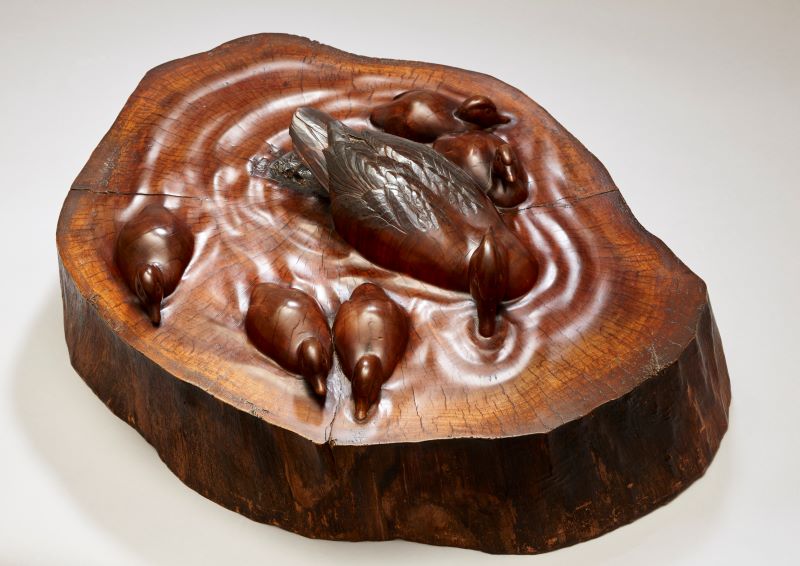
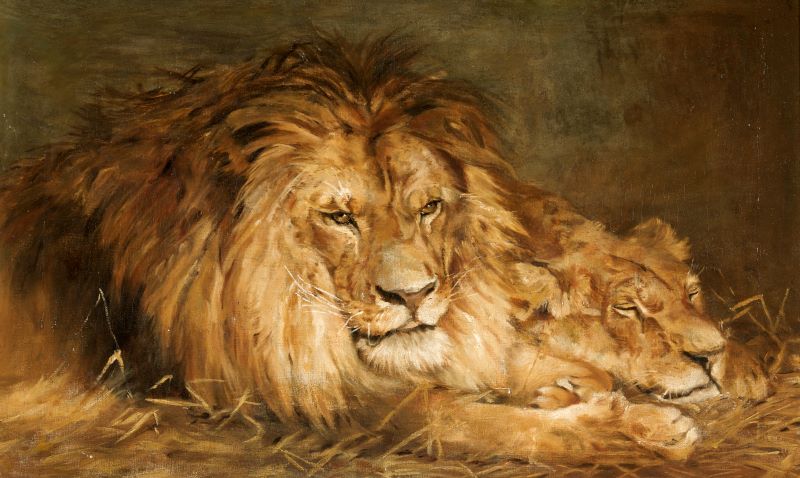
Last September saw the death of Nature in Art’s founder, David Trapnell, aged 95. His interest in art and nature was obvious as a boy and, even though he spent his working life as an eminent radiologist, it seemed inevitable that those early influences would emerge in a profound way at some point in his life. Being married to the artist Elizabeth Gray (also known as Ben Venuto), who died in 2022, was the inspiration he needed to embark on what he called ‘his second wind’ – an enthusiastic passion for discovery and learning in the arts that resulted in the establishment of Nature in Art.
David was always a collector. He said that his first collection as a boy was ‘stickers off bananas’(!), but in later life his collecting interests included fossils and stones (which he also polished) to buttons and bottles, clay pipes to bird skulls, postmarks (for which he was an acknowledged expert and published many books and papers) and eighteenth century newspapers to orchids. Even though, for a long time, he was not involved at the coal face at Nature in Art, he was a trustee until his death and was always cheering and encouraging from the sidelines and looking for new additions that might be considered for the collection.
Just a few months before he died, he saw an intriguing door finger plate (made by Spode) with a nature inspired decoration. He wondered whether there were any collections of these items anywhere and set about contacting national and local museums to find out. It seemed not. There also appeared to be no books on the subject either, so he began collecting as many nature inspired finger plates as he could, trawling the internet and finding people to drive him to antique fairs and the like. At the same time he began to undertake research for a paper or booklet on the subject. Sadly, he never got the chance to see that project to its conclusion, but the small selection of finger plates that he did acquire will soon be part of our collection. Some will be included in this display.
Most Friends of Nature in Art will know that the idea of Nature in Art was born in 1982 at a time when David had no money, no collection and no building – just what he hoped was an inspiring idea. He set up a charity to establish and then own and manage a museum. Soon he was winning over hearts and minds, and he did the difficult thing – he got the Nature in Art ball rolling from nothing, so effectively in fact, that within 6 years we had got to the point of opening our doors to the public, following the purchase of Wallsworth Hall in 1987. Then, in 1988, after a huge amount of work, HRH Princess Alexandra opened the museum, which was free of debt and had the beginnings of an unrivalled collection.
Many of the items had been generously donated by artists and private collectors, but David, a treasure hunter at heart, also spent a huge amount of time searching out items that might be added to the collection (and for which funding had to be found too).
That instinct to always be ‘on the hunt’ and looking in new places, stretching our outlook from, for example ‘wildlife’ to ‘nature’, and from just fine art to embrace decorative and applied art too, opened up huge possibilities. That broad view underpins our mission to this day.
So, this exhibition will highlight some of the items that David personally found for the Nature in Art collection, some of which we secured funding for from the likes of the Art Fund, V&A Purchase Grant Fund and others. Of course, there were other occasions when items were found and we could not secure funding or, if they were in an auction, exceeded our budget, but treasure hunting always involves disappointments too!
The stories behind some of the exhibits are recalled in David’s book, ‘Following the Dream’, published last year, priced £14.95.
In addition to some of the items he chose to include in his book, will be other items that have helped broaden the depth and diversity of our collection. As we hope is the case when any visitor comes to Nature in Art, we trust that you find amongst this selection work that you expect to see, but also others that may be unfamiliar, broadening your appreciation and passion for the arts.
An evening talk has been arranged to accompany this exhibition
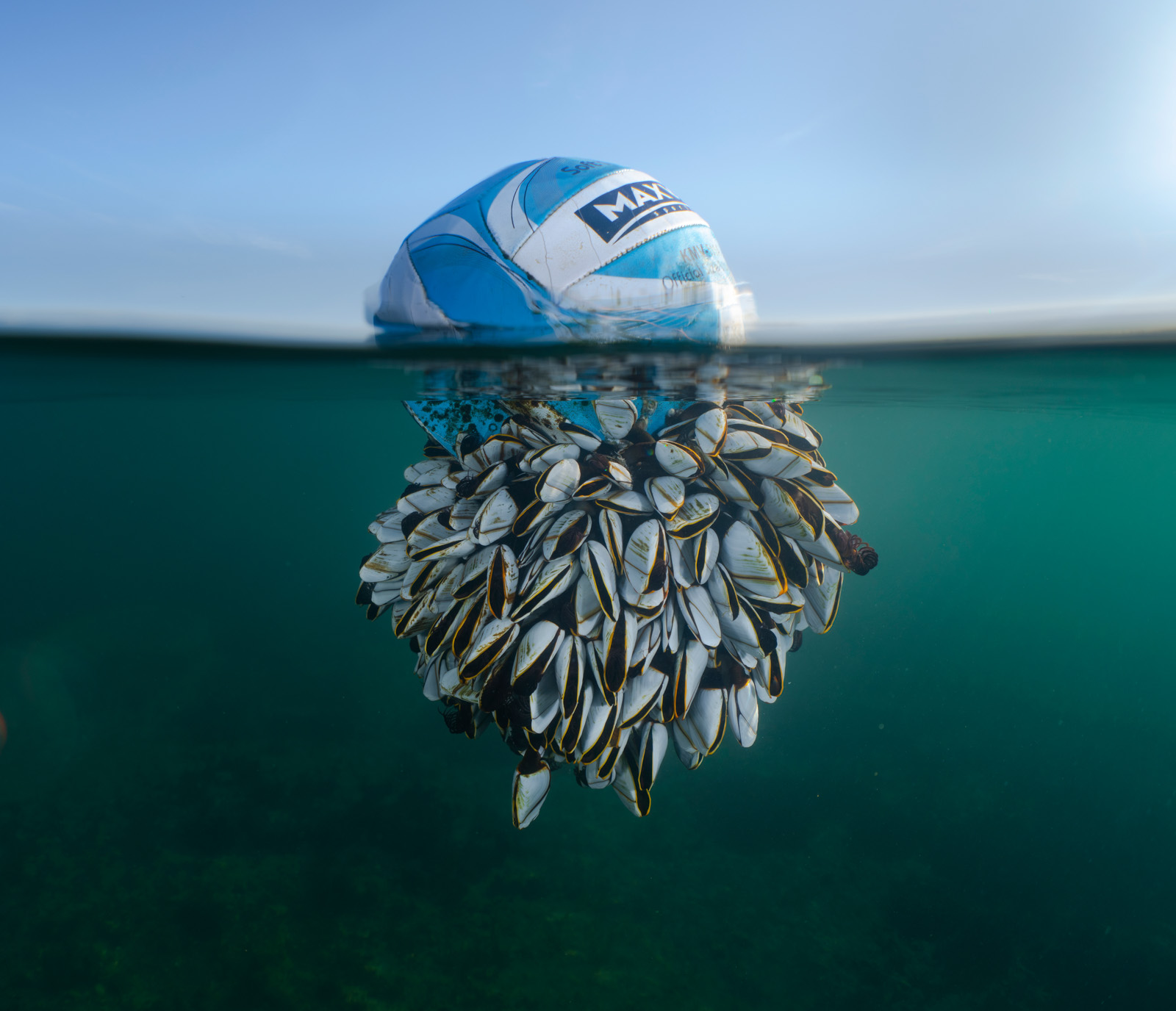
© Ryan Stalker
The British Wildlife Photography Awards (BWPA) is a revered showcase of nature photography in Britain and a crucial reminder of what value our woodlands, wetlands and other ecosystems still hold.
The winners of the British Wildlife Photography Awards 2024 will be displayed at Nature in Art from 23rd July – 1st September. More than 14,000 images were submitted into this year’s competition, with amateur and professional photographers competing for the £5,000 grand prize. An image of a football covered in invasive goose barnacles, having travelled thousands of miles to reach the UK shores, has taken the top prize in this prestigious award.
Photographers competed in 10 different categories in the adult competition: Animal Behaviours, Animal Portraits, Botanical Britain, Black & White, British Seasons, Coast & Marine, Habitat, Hidden Britain, Urban Wildlife and Wild Woods. There were 3 age groups in the young competition: 11 and under, 12-14 years and 15-17 years.
Entry to this exhibition is included in the admission price to the museum.

© Max Wood

© Lucien Harris
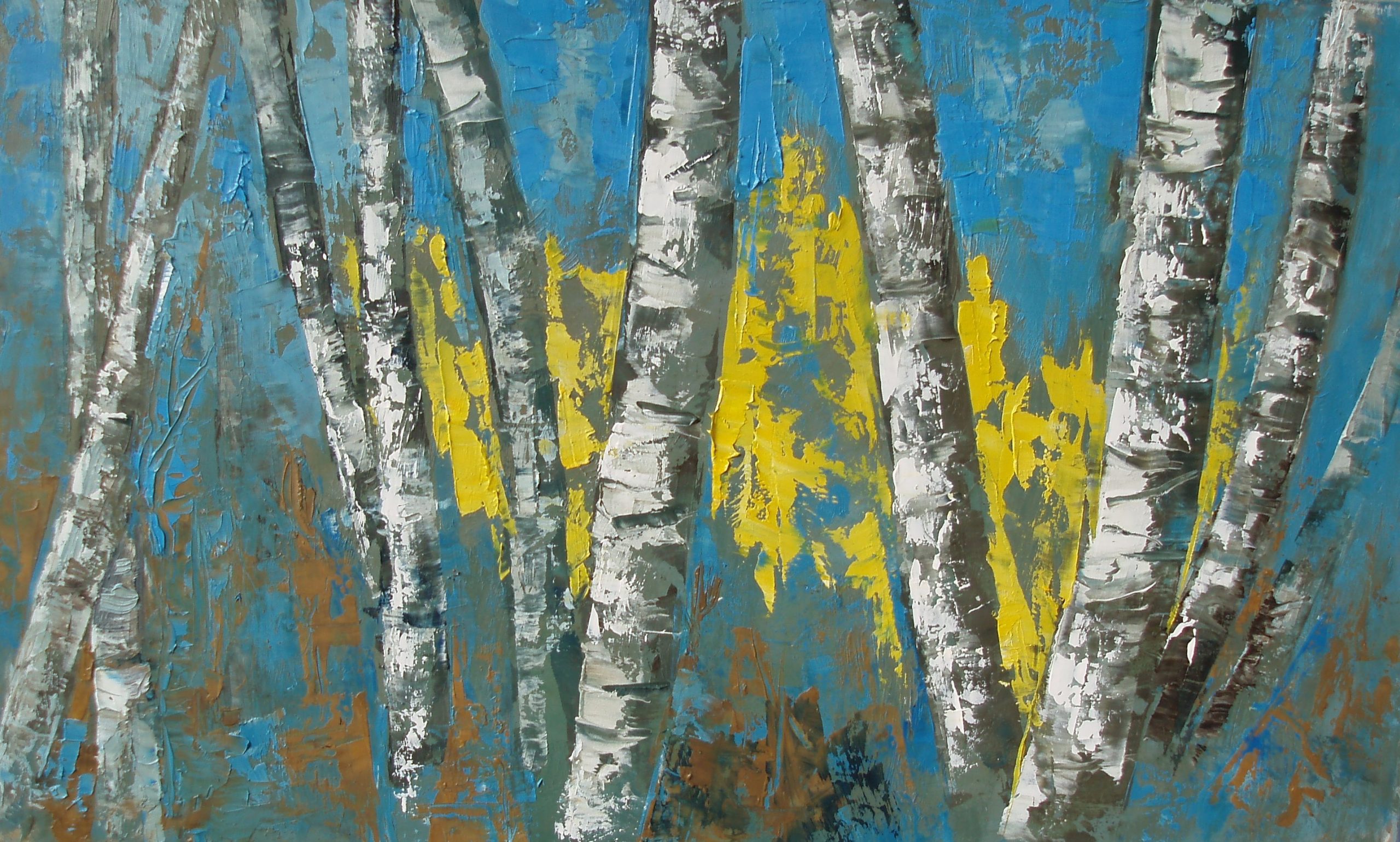
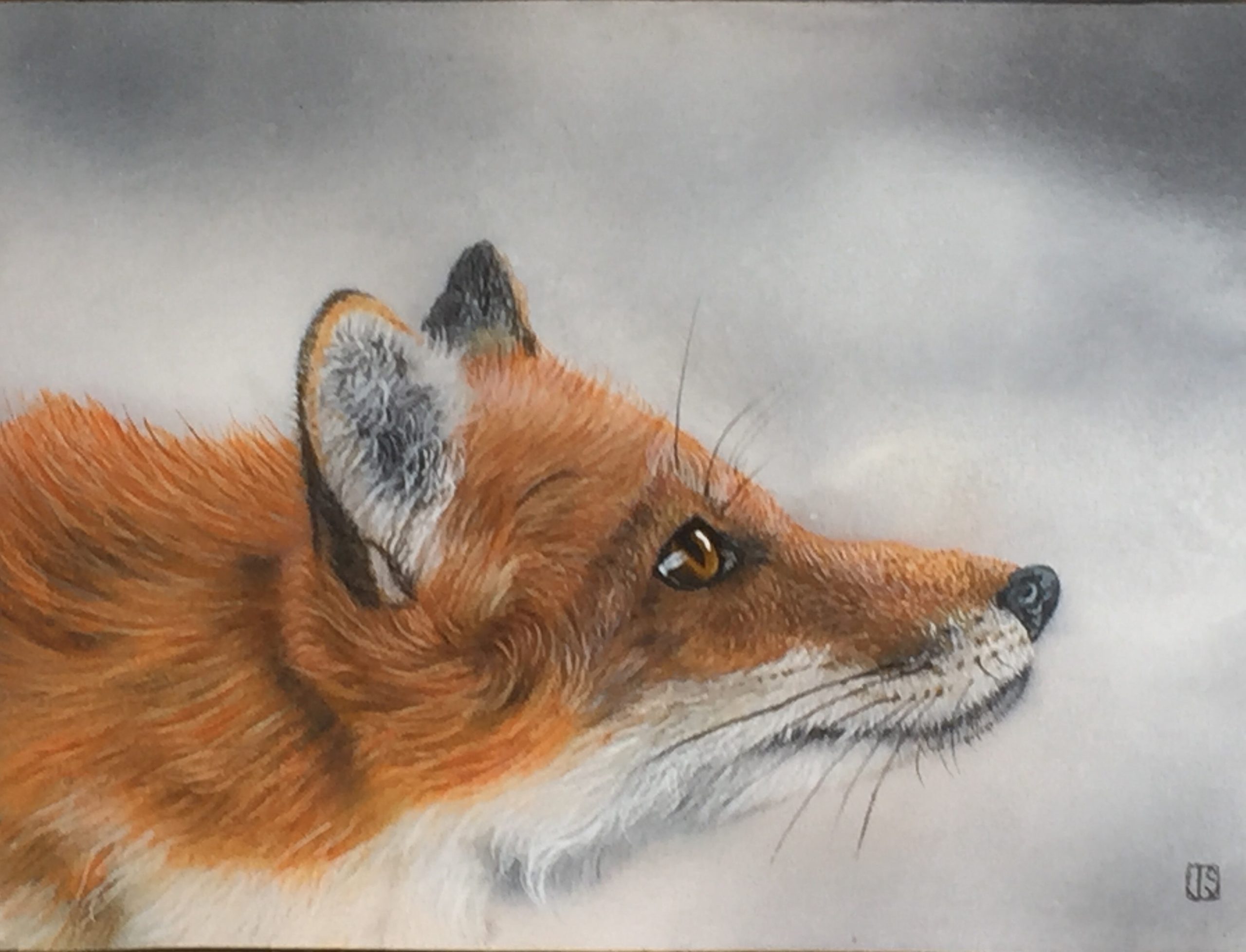
As part of our programme of displays in the Atrium of the Wallsworth Centre, supporting and highlighting local creative endeavour, we are delighted to be welcoming The Fosseway Artists, a group of Cotswold based practitioners who were founded in 1965. The show features some of the latest work by their professional and semi-professional members. The exhibits explore the theme of nature in art. From bold collage using natural found elements to delicate watercolours and everything in between, there will be a range of styles and media on show. Some of the exhibits will be for sale.

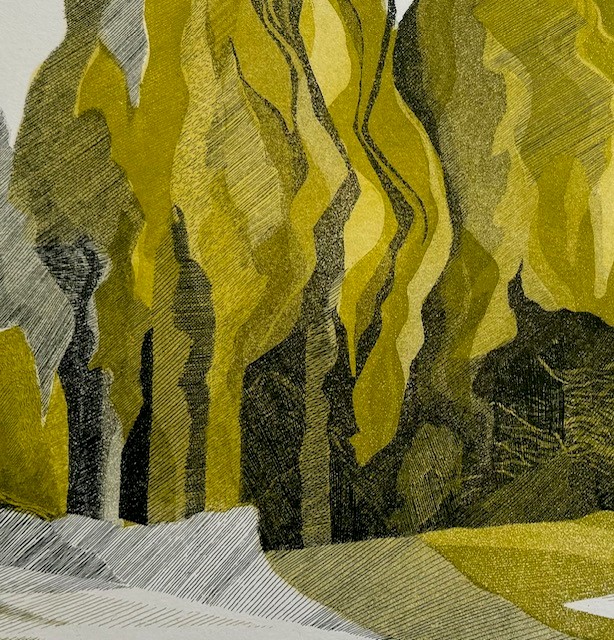
The subjects of landscape, architecture and our industrial heritage have inspired Grahame Tucker’s work in printmaking, watercolours and more recently sculpture.
Grahame has supported our education programme and this exhibition of large prints reflects the exploration of a wide range of techniques over a period of twenty years. The use of line, cross hatching and tonal areas produced by aquatinting are extensively used to create a range of visual effects. This has given rise to him producing a series of prints reflecting his love of shape,form and texture which is equally inherent in his sculpture and paintings. This collection of etchings and aquatints shows the use of single and multiple plates to produce a range of original and individual monochrome and colour prints as limited editions. Meet Grahame when he is artist in residence, and see his sculpture, August 20th – 25th.
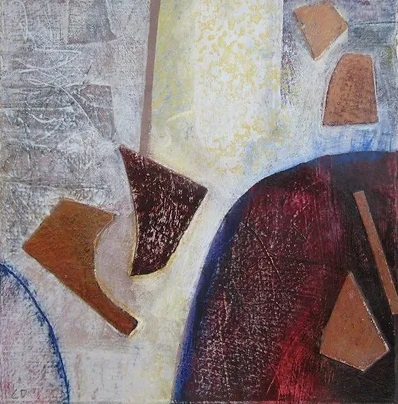

This exhibition is part of our programme of initiatives to encourage and support local creative endeavour. On show in the Atrium of our Wallsworth Centre, it features work by members of the Gloucestershire Society of Artists. They held their first exhibition in Gloucester Museum in 1924, so this is a milestone year! See representational and abstract works in various media and watch GSA members at work. Most items are for sale.

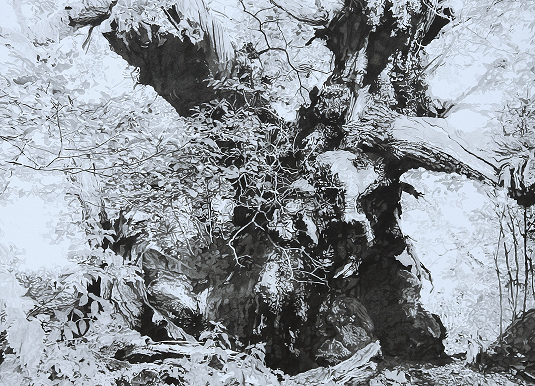
Left: Philippa Beale. Right: Tim Craven
Following on from previous exhibitions by the Arborealists at Nature in Art, this exhibition is a collaboration between them, a group of professional artists of diverse art practise who share the subject of the tree,and Julian Hight, a celebrated authority on ancient trees and the author of Britain’s Tree Story.
This unique selection of pictures explores the extraordinary physical presence and diverse colourful histories of a varied selection of these great survivors. Some have been selected by Hight for their significance, species and geological spread and others chosen by the artists as local favourites. Some trees are variously interpreted by different artistic approaches,styles and media and these will hang together for context and insight.
Although the least forested, Britain possesses the largest number of ancient trees in northern Europe of many species for a number of reasons. Some may have stood for over a thousand years while some British Yew trees are reputed to be up to four times that age, which if true, makes them the oldest living trees in Europe. Small wonder that artists have been inspired by their beauty, presence and aura.
From a human perspective, it is their constant presence within the community,surviving through one generation to the next and carrying with them events and stories, that elevates ancient trees to a higher place in our psyche. Over the centuries people have revered and named them. They act as silent witnesses to the past. Indeed, it is amazing to think that such is their longevity that some could be only ten generations away from the end of the last ice age when they first colonised our islands.
PLUS:
September 10th: Do join us for a private view of this show to meet some of the artists and find out about the Arborealists and on September 26th: An join us for an evening talk with Julian Hight. Find details of both HERE