
Artist in Residence
Painter & Embroiderer, Teacher & Lecturer, Author & Art Historian
Richard Box was trained at Goldsmiths’ School of Art and went on to be ‘Senior Lecturer’ and finally ‘Head of Art’ at Avery Hill College of Education. In 1985 he resigned from the position in order to develop his own work.
He is a regular exhibitor and demonstrator at the Knitting and Stitching shows and other craft fairs. He gives talks to textile groups; particularly to branches of the Embroiderers’ Guild throughout the country. He runs courses in drawing, painting and his particular system of textile art which combines fabric collage with both machine and hand embroidery. He teaches these at various adult education centres as well as independent organisations.
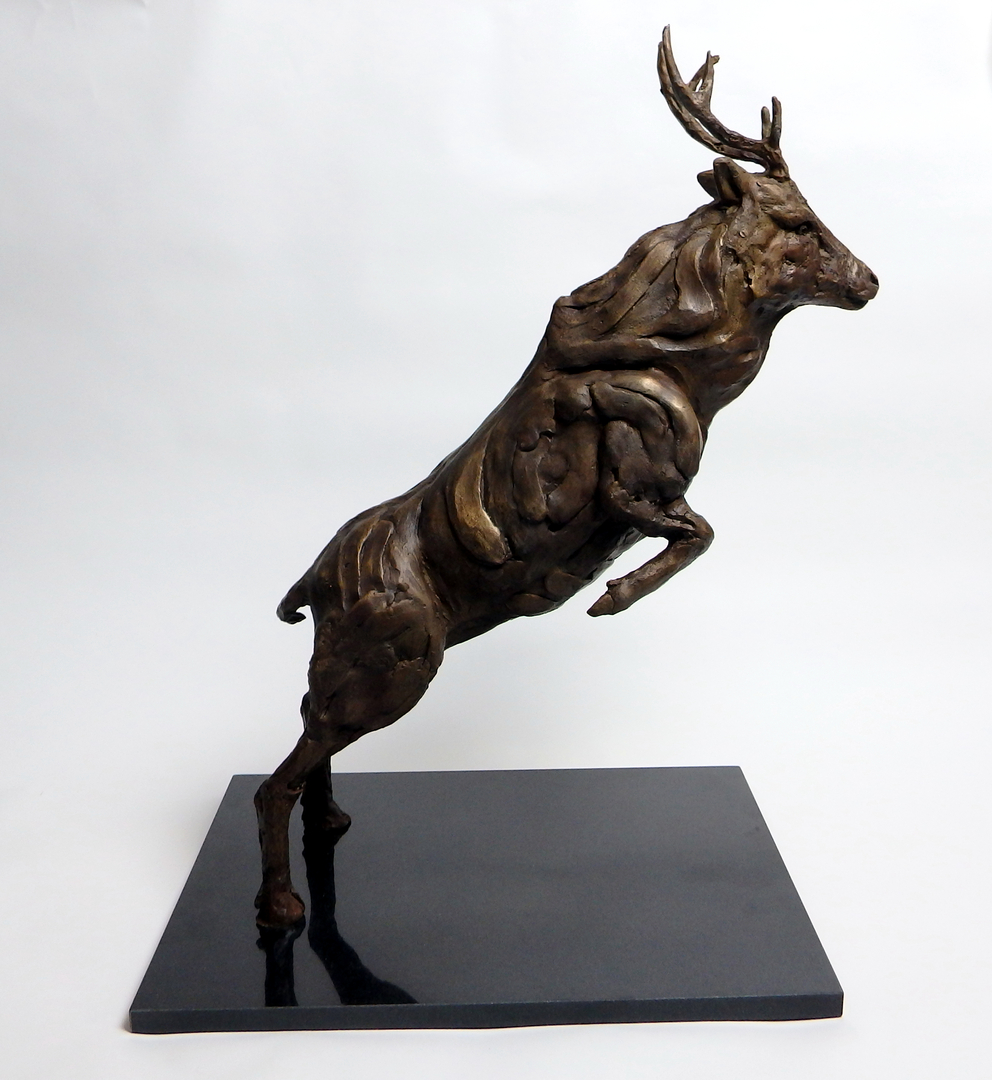
Elliot Channer is a sculptor and has had a passion for wildlife and art from a young age. He is largely self-taught and takes inspiration from the countryside.
Elliot travels the country in order to observe and photograph animals in their natural habitat, to use in his work.
 WE ARE VERY SORRY THAT DUE TO UNFORESEEN CIRCUMSTANCES GARY IS NOT ABLE TO BE IN RESIDENCE ON THESE DATES. WE WILL PUBLISH NEW DATES AS SOON AS THEY ARE AVAILABLE. Gary Hodges is the UK’s best selling and most collectable pencil artist, an impressive accolade for a self-taught and self-published artist. The huge demand for Gary’s limited edition prints has led to a lucrative secondary market, rewarding collectors with more than just the beauty of his drawings.
His enthusiastic collectors have supported him throughout his career. This popularity has enabled him to follow his heart and support charities dear to him. Through his wildlife art well over half a million pounds has been given back to protect the wildlife he feels so passionate about.
Gary has been one of our most regular and long-standing artists in residence and it is a delight to welcome him back again.
Artist in Residence
Holly Brookes, the daughter of woodcarver Roger Brookes, is a wildlife artist, specialising in drawing and printmaking. She has a fascination for detail and texture.
Artist in Residence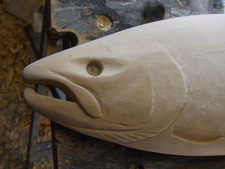
Roger Brookes is a wood carver specialising in carving realistic fish.
‘My education as an artist began when, as a child, I saw the form and colour of a freshly caught Sea Trout brought home from the river by my father in Thurso Scotland. When
I am carving the tail, the line of the jaw or the curving shoulder of a fish now I know that I am touching on that first inspiration from all those years ago.’

Artist in Residence
Clive Meredith is an entirely self-taught artist and has been working professionally since 1993 specialising in detailed portrayals of wildlife from both Britain and abroad.
Clive’s initial interest in wildlife and the countryside was fostered in his early years, brought up the son of a dairy farmer, and spending hours outside in the Shropshire countryside birdwatching and larking about on the river Severn and its streams in his hometown of Shrewsbury.
Artist in Residence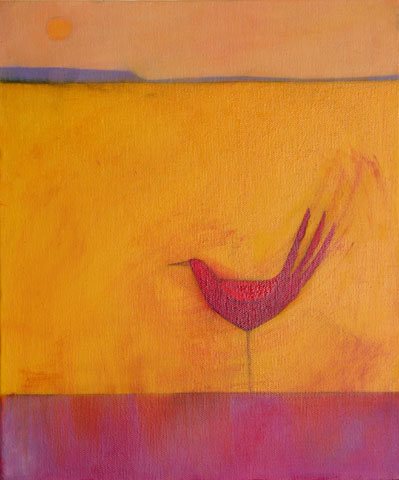
Jenny Reynish is a freelance illustrator who have produced illustrations for a number of both in the UK and abroad. She enjoys incorporating elements of ethnic and folk art, and details inspired by those in Persian carpets and woodcarvings, in addition to imagery from nature, cities and buildings.
Jenny uses a variety of media, including oils, watercolours and acrylics.

Artist in Residence
Ann Swan works primarily in graphite and coloured pencil and is well known for her exquisitely fine detail, vibrant colours and strong contemporary style. She champions the underdog in the plant world, drawing our attention to Brussels sprouts or beetroots feeling they are just as beautiful as the iris or tulip. She is passionate about coloured pencils believing they are easy to master, forgiving and accessible so that even a complete beginner can quite quickly produce work of quality.

Exhibition:
This exhibition has been assembled in collaboration with the Charles Tunnicliffe Society. We record our thanks to them, particularly Ken Broughton and Stuart Pittman, and to the many private collectors and public collections who have loaned work. Tunnicliffe was one of the most important and influential nature inspired artists of the twentieth century. His impact is still felt today.
Charles Tunnicliffe (1901 – 1979) was the only son of a shoemaker turned farmer and grew up in Cheshire. All his later work as an artist shows him to be a man totally familiar with the animals and machinery of the farm, and the beauty, customs and modesty of the countryside. After art training in Macclesfield and Manchester, he won a scholarship to the Royal College of Art, London, where he won another scholarship for a further year to study etching.
Having worked for a while as a part-time teacher, Tunnicliffe left London in 1928 and returned to Cheshire as a commercial artist. In 1932 he produced the illustrations for Henry Williamson’s Tarka the Otter which was a great success and established the reputations of both artist and author.
From 1947 until his death Tunnicliffe lived on the Isle of Anglesey. He was hard work and versatility personified. Etchings, wood engravings, scraper-board illustrations, oil paintings, delicate pencil drawings, simple tiny composition sketches and large finished watercolours – all were part of his prolific output.
He was elected RA in 1954 and awarded the OBE in 1978. In 1974, he was honoured at the Royal Academy by an exhibition of his collection of measured drawings of birds. Several of these (and other RA pictures) are included in this show.
Having had work widely published in magazines and books, including some of his own, as well as the likes of Cussons Imperial Leather advertisements, Brook Bond tea cards, The Radio Times, Ladybird books and for 12 years the covers to RSPB’s magazine Bird Notes, he is an artist whose work has impacted on countless people’s lives, earning respect too, not just in the wildlife art world, but the wider art establishment.
Sir Peter Scott described him as simply ’the greatest wildlife artist of the twentieth century’.
Artist in Residence
Clare Robertson, artist blacksmith, works under the creative name of ‘MissFire’.
Inspiration for many of her pieces comes from the beauty of the natural world. Her ability to imagine, design and manufacture pieces that satisfy the specific requirements and personal tastes of her customers has resulted in a vibrant collection of exciting, and often functional, works of art.