
Exhibition:
This exhibition has been assembled in collaboration with the Charles Tunnicliffe Society. We record our thanks to them, particularly Ken Broughton and Stuart Pittman, and to the many private collectors and public collections who have loaned work. Tunnicliffe was one of the most important and influential nature inspired artists of the twentieth century. His impact is still felt today.
Charles Tunnicliffe (1901 – 1979) was the only son of a shoemaker turned farmer and grew up in Cheshire. All his later work as an artist shows him to be a man totally familiar with the animals and machinery of the farm, and the beauty, customs and modesty of the countryside. After art training in Macclesfield and Manchester, he won a scholarship to the Royal College of Art, London, where he won another scholarship for a further year to study etching.
Having worked for a while as a part-time teacher, Tunnicliffe left London in 1928 and returned to Cheshire as a commercial artist. In 1932 he produced the illustrations for Henry Williamson’s Tarka the Otter which was a great success and established the reputations of both artist and author.
From 1947 until his death Tunnicliffe lived on the Isle of Anglesey. He was hard work and versatility personified. Etchings, wood engravings, scraper-board illustrations, oil paintings, delicate pencil drawings, simple tiny composition sketches and large finished watercolours – all were part of his prolific output.
He was elected RA in 1954 and awarded the OBE in 1978. In 1974, he was honoured at the Royal Academy by an exhibition of his collection of measured drawings of birds. Several of these (and other RA pictures) are included in this show.
Having had work widely published in magazines and books, including some of his own, as well as the likes of Cussons Imperial Leather advertisements, Brook Bond tea cards, The Radio Times, Ladybird books and for 12 years the covers to RSPB’s magazine Bird Notes, he is an artist whose work has impacted on countless people’s lives, earning respect too, not just in the wildlife art world, but the wider art establishment.
Sir Peter Scott described him as simply ’the greatest wildlife artist of the twentieth century’.
 Exhibition:
The Independence Trust strengthen people’s emotional and physical well-being to support them to fulfil their potential. This display features artwork by some of their clients who have found art a real help and inspiration in life.
JOIN US FOR A SPECIAL EVENT ON THURSDAY 25th AUGUST:
Elephant in the Room Cheese & Wine Evening Invite.
Artist in Residence
Jackie Garner is a renowned gloucestershire based wildlife artist who returns to the studio by popular demand. As well as having been a regular artist in residence at Nature in Art, Jackie also is a regular tutor at the museum. Please note Jackie will finish demonstrating at 4pm on 30th October.
Artist in Residence
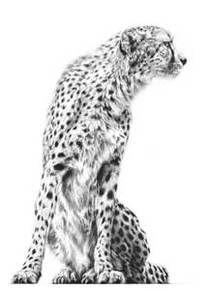
Originally from New Zealand, Jamie is a self taught artist whose work is produced in graphite pencil. The finest detail is achieved by etching fur or skin texture into the paper and then working over the top of it with darker tones of pencil. A large number of photographs are taken with up to ten pictures being used to create the composition of the drawing whilst also trying to capture The individual personality of the animal to be drawn.
Artist in Residence
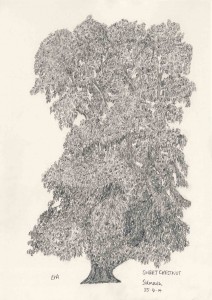
Ewan Anderson has had a lifetime interest in trees and drawing. During his career in geography he continued drawing particularly through cartography. Some of his research projects concerned trees. For example, in Oman he measured dewfall as a water source for Prosopis sp. trees.
Since his retirement from academe in 2001, Ewan has been working on his technique, drawing exclusively in the field (en plein air) and trying to balance the botanical and the artistic. In his drawings, Ewan hopes to encapsulate the spirit, character and gesture of the trees.
 Exhibition (on show in the Atrium of our Education Centre)
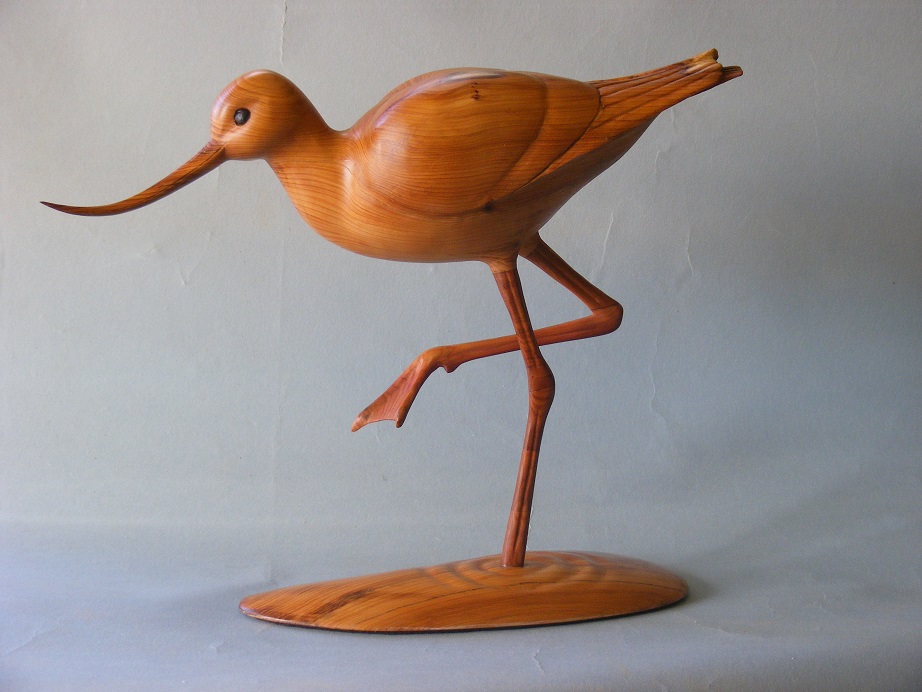
A diverse show of paintings, prints and sculpture which demonstrate the inspiration that this established local group has drawn from the natural world. Founded in 1965, this is their second exhibition at Nature in Art. Part of our programme of shows supporting and highlighting regional groups and talent.
Artist in Residence

Linda Twiddy originally trained as an engineering draughtswoman and enjoys drawing as an instrument for expressing concepts and designs. She gains inspiration for her artwork from an interest in geometry, geology, architecture and the repeating patterns found in nature. Linda’s work emphasizes detail and texture, using the dramatic contrast of graphite pencil and the vibrant effects of watercolour.
During her time as artist in residence Linda will be continuing to work on a drawing inspired by the beautiful fireplaces of Wallsworth Hall. The picture combines all the fire places at Nature in Art into one composition, showing each fireplace inside another but maintaining the proportions and unique quality of each fire place.

by George Stoyle Overall Winner 2016
Exhibition:
The first post-launch display of all the winning images from this renowned competition focusing on British fauna and flora. Extraordinary pictures of our rarest animals and the wildlife on our doorstep.
To find out more about the competition visit the BWPA website: here
Artist in Residence
Trevor Smith has had an interest in wildlife from an early age. Family visits to the Wildfowl and Wetland Trust at Slimbridge fostered a lifelong passion for birds and the environments they can be found in.
‘I have been teaching students the essentials of bird art for over twenty years now, but I still get a kick from seeing people thrill to the subject and often surprise themselves with hidden latent ability.’
Artist in Residence
Val Briggs is a self taught artist who for the last 30 years has dedicated herself to recording the flora and fauna of the British countryside in watercolour. Val also works in graphite and pastels, using them to sketch from life.