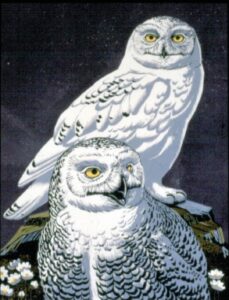
 A retrospective exhibition of work by Robert Gillmor MBE SWLA (1936 -2022)
A founder of the Society of Wildlife Artists, Gillmor is a renowned wildlife artist who has left a remarkable legacy through his art. He is perhaps best known for his instantly recognisable lino-cut prints produced on his 1860 Albion press. His hugely influential career is celebrated in this unique selection of his work which follows his creative and conservation journey, particularly in relation to birds. Gillmor’s work has appeared in over 150 books. In 2015 he received an MBE for services to art and conservation. Work by Gillmor is held in the permanent collection, and he was a regular artist in residence, exhibitor and lecturer at Nature in Art, having been involved with the museum since its very earliest days.
The exhibition includes around 80 items representing a fascinating range of work from his early days in Reading Art Club, to ornithological expeditions to Iceland and Svalbard in the 1950’s, to some of his illustrative work and items representing the amazing span of his linocut prints right up to recent times. Also included are a number of works that Robert had done whilst artist in residence at Nature in Art, discovered in his studio and marked and dated ‘Wallsworth Hall’. Amongst the drawings and paintings are examples of original artwork from some important publications such as titles from the New Naturalist Series, Birds of the Western Palearctic etc. and other projects like British Post Office Stamps, covers for Birds Magazine and the like.
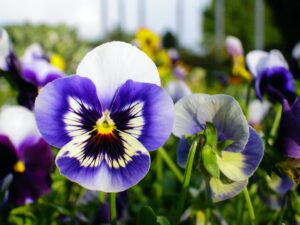 Richard, as well as being an artist, working as a painter and in textiles, he is also an art historian and is a long-standing lecturer for the Arts Society ( formally NADFAS ).
Flowers are amongst the most beautiful treasures that Mother Nature has bestowed upon us. Consequently, many cultures have attributed particular species to mythological mortals and even to their immortals. Some even have those whose sole occupation is to preside over the entire floral kingdom. Using colourful examples of the fine and decorative arts from world-wide cultures and from far reaching historical periods this lecture is all about the various, and sometimes differing, symbolic meanings of flowers and their attributions. For your amusement as well as erudition, it will also include many fascinating stories from ancient mythologies and folk lore.
Doors open 7.00pm to view the galleries, buffet 7.30pm followed by talk.

Water Universe by Julie Askew
“Water is the driving force of all nature” Leonardo da Vinci
Over the years Nature in Art has presented a good number of exhibitions that have explored subjects that bring art and science together. From spectacular photographs from the Hubble telescope to photo- micrographs and images inspired by those taken using a synchrotron, such displays have given a whole new perspective on nature and helped us focus not just on ‘nature in art’ but ‘art in nature’. This exhibition is such a display, drawing together a collection of works resulting from a fascinating project being undertaken by artist Julie Askew, which are being displayed with a number of other items, mostly from Nature in Art’s collection that resonate with the theme.
Julie Askew has a long association with Nature in Art as both an artist in residence and exhibitor, principally of her wildlife art. The new works in this show are the first results of her most recent passion, researching aspects of water.
There are three main states of water – solid (ice), liquid and gas (vapour). We are familiar with them all, from ice in a drink to tap water and steam from a kettle. We understand how water in various forms can soothe by touch, sight and sound and how that can contrast with the devastation of flooding or the effects of drought. In our ever changing world, these extremes are becoming more evident and impactful.
In this latest project Julie has been considering whether we really know water at all? Through these new works she aims to take the viewer into new worlds within water and to discover beauty within.
Water Universe is an interdisciplinary science and art research project, examining and interpreting water patterning and its potential application in the environmental and physical sciences, focusing on Glaciology and Polar Science. Julie is working with the British Antarctic Survey, Bath Spa University and is proudly sponsored by ZEISS.
Every watery liquid when dried on a surface leaves a residue. Sometimes this is visible like, as Julie says ‘a coffee stain left on Auntie’s favourite antique table!’ When viewed at low magnification, 20x – 200x, beautiful patterning can be seen within the dried liquid. This phenomena was first observed by the German artist Ruth Kübler who used the patterns in her artwork before taking them to Stuttgart University where Prof. Bernd Kröplin began the first scientific research on the patterns. He discovered that everything contacting with pure water results in a different unique pattern.
Julie decided to expand on this research and use a source of ‘pure’ water that already contains different substances – ice cores, cylinders of ice drilled from ice sheets and glaciers. Like tree rings, ice cores can be very revealing as every year a new layer is created which holds climatic and environmental event records within, in the form of trace metals, volcanic ash, and CO2. (For climate scientists ice cores are a vital source of information). Would water drops from different layers of ice cores over 120,000 years old give a visual indication of the cores content and of its history?
In the build up to this research, Julie used labs at Bath Spa University to test different water drops from ponds, streams and fresh springs, and to observe their resulting intricate patterns. She needed to show that the patterns in water drops could identify nitrate and phosphorus in water. Being science, the drops had to be quantitatively analysed and being an artist, Julie also photographed and scientifically illustrated the drops. The results were positive.
In this first Water Universe exhibition Julie reveals the exciting patterns of water, with dramatic photography and previously unseen 3D painted artworks of the most special drops. Julie says ‘be prepared for the unexpected, a show of contrasts and light’ and goes on to say ‘what about the ice cores and drops from up to 120,000 years? – you will have to come to the exhibition and be the first to see the results!’
Julie will be artist in residence November 1st – 13th. In addition, she will be giving an illustrated talk as part of our Wallsworth Evening series on Thursday November 10th.
At the same time, a selection of other items, primarily from Nature in Art’s collection, that relate to water will also be on display during this exhibition.
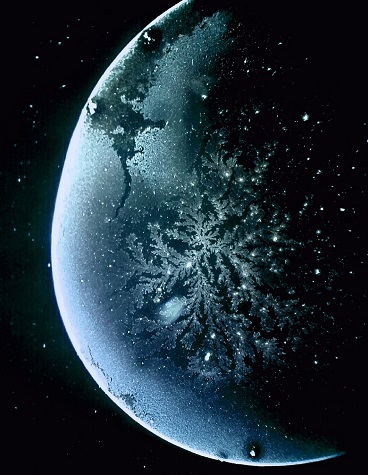
The Water Universe Exhibition at Nature in Art is the first showing of Julie Askew’s water research project, in collaboration with British Antarctic Survey, the Cabot Institute and Bath Spa University.
Join Julie Askew as she takes you on a visual feast to discover where art and science meet in a breathtaking microscopic watery world. Observe ice and water as you have never seen it before, learn the story behind the dramatic photographs and how the 3D painted artworks evolved from paper to sparkling cubes.
Christmas Celebration with the Gloucester and District Christian Choir.
Come and join us to bring in the Christmas Season with a festive selection of Carols and Songs brought to us by this local community choir.
The choir was formed 22 years ago and, even though it mainly sings in and around the county, it travelled to India some years ago to perform there.
Part of the ticket will be donated to Gloucester Foodbank.
Doors open at 7pm to view the galleries. Festive snacks at 7.30pm followed by concert.

Taking the title of Bird Photographer of the Year, the Overall Winner is ‘Rock Ptarmigan Flight’ by Erlend Haarberg. It features a Rock ptarmigan in winter plumage taking flight over the frozen landscape of Tysfjorden, Norway.
2022 is the seventh year that Bird photographer of the Year has been held and it already has firmly established itself as the pre-eminent competition of its sort.
Bird Photographer of the Year is a global photographic competition: it is a celebration of avian beauty and diversity, and a tribute to the flexibility and quality of today’s modern digital imaging systems. Never before has there been a competition of this scale dedicated purely to the growing interest in, and passion for, photographing one of the most interesting and engaging areas of natural history – birds. The advent of digital technology has revolutionised photography in recent years and some fantastic images, of a quality that wouldn’t have been possible in the days of film, now proliferate on the internet for millions to see.
This display will be fresh from its launch in September and feature images taken by photographers from across the world, selected from 20,000 entries, representing a mix of photographs taken by both hardened professionals and keen, skilled part-time photographers who, as well as having an eye for a picture and knowledge of their subject, have developed ways to exploit the potential of the ever-developing digital world. With categories from birds in the environment to bird portraits, bird behaviour and birds in flight, ‘Attention to Detail’ and black and white, urban birds and creative imagery, plus other awards including the Portfolio Award and Video Award, there is a feast of remarkable images to enjoy.
Profits from Bird Photographer of the Year contribute to Birds on the Brink funds and help support bird-related conservation projects on a grant-awarding basis, using small grants that will make a measurable difference. www.birdsonthebrink.co.uk www.birdpoty.com
 © Jose Fragozo / Wildlife Photography of the Year
The world-renowned exhibition, on loan from the Natural History Museum in London, will open at Nature in Art, featuring exceptional images which capture fascinating animal behaviour, spectacular species and the breathtaking diversity of the natural world. Using photography’s unique emotive power to engage and inspire audiences, the images shine a light on stories and species around the world and encourage a future of advocating for the planet.
Wildlife Photographer of the Year is the most prestigious photography event of its kind, providing a global platform that showcases some of the best photography talent from around the world for over 55 years. Launching in 1965, today the competition receives entries from over 90 countries all over the world, highlighting its enduring appeal. This year’s award-winning images will embark on an international tour that will allow them to be seen by well over a million people.
The images were selected from 38,575 entries from 93 countries. From the rainforests of Central Africa to the oceans of the New Zealand coast, the exhibition showcases the best in nature photography, capturing rarely seen animals, incredible behaviours and striking landscapes.
Link to Wildlife Photographer of the year images: https://www.nhm.ac.uk/wpy/gallery
Wildlife Photographer of the Year is developed and produced by the Natural History Museum, London
 © Tiina Törmänen / Wildlife Photographer of the Year

The Gloucester Society for Botanical Illustration celebrates its 30th anniversary in 2023. Their membership includes winners of The Royal Horticultural Society’s gold, Silver Gilt and Silver medals, both in the Grenfell(for art pictures) and Lindley (for scientific illustration) range.
Meet artists every day whilst viewing this inspiring display.
19:00 Doors
19:30pm Finger Buffet
Talk starts around 20:10
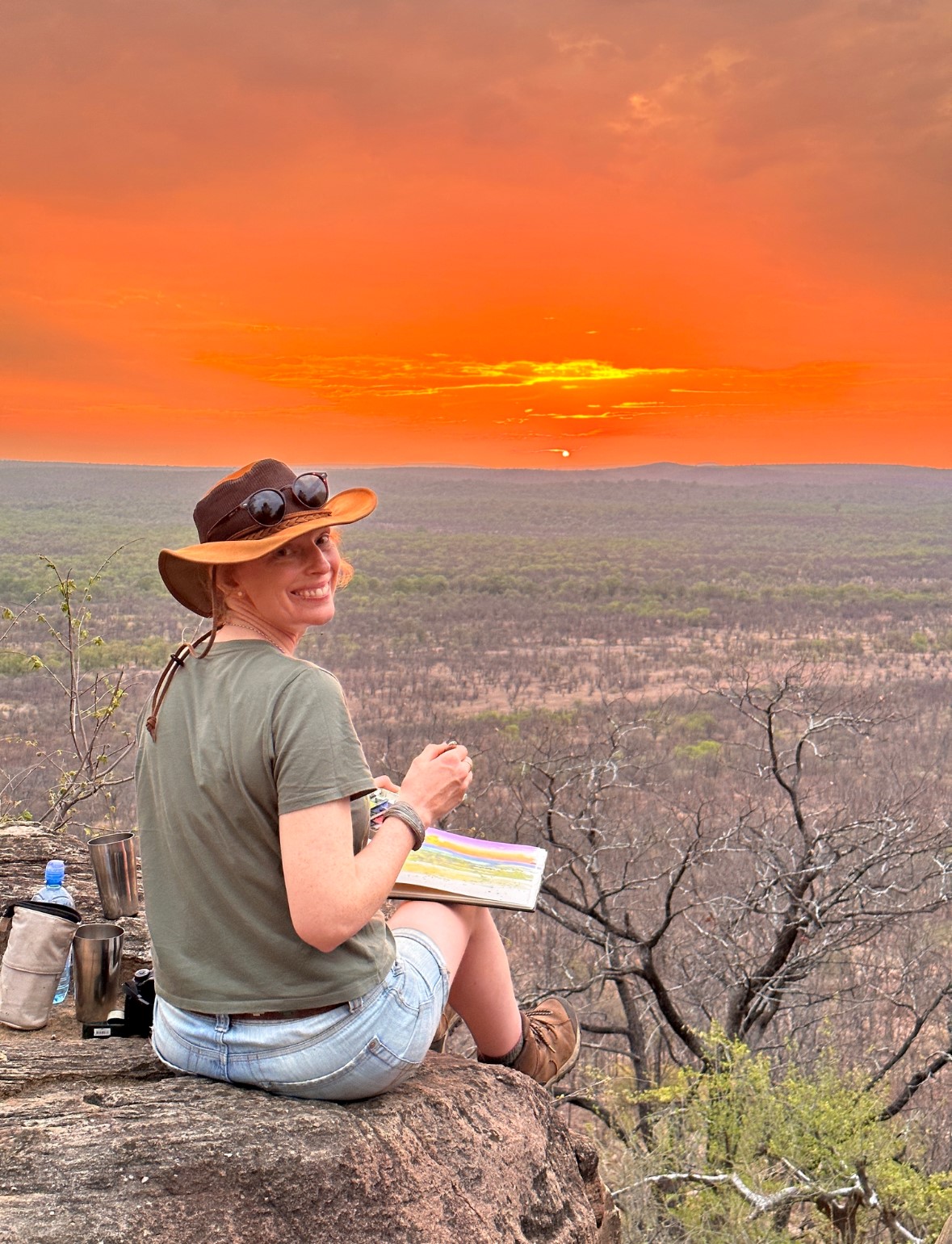
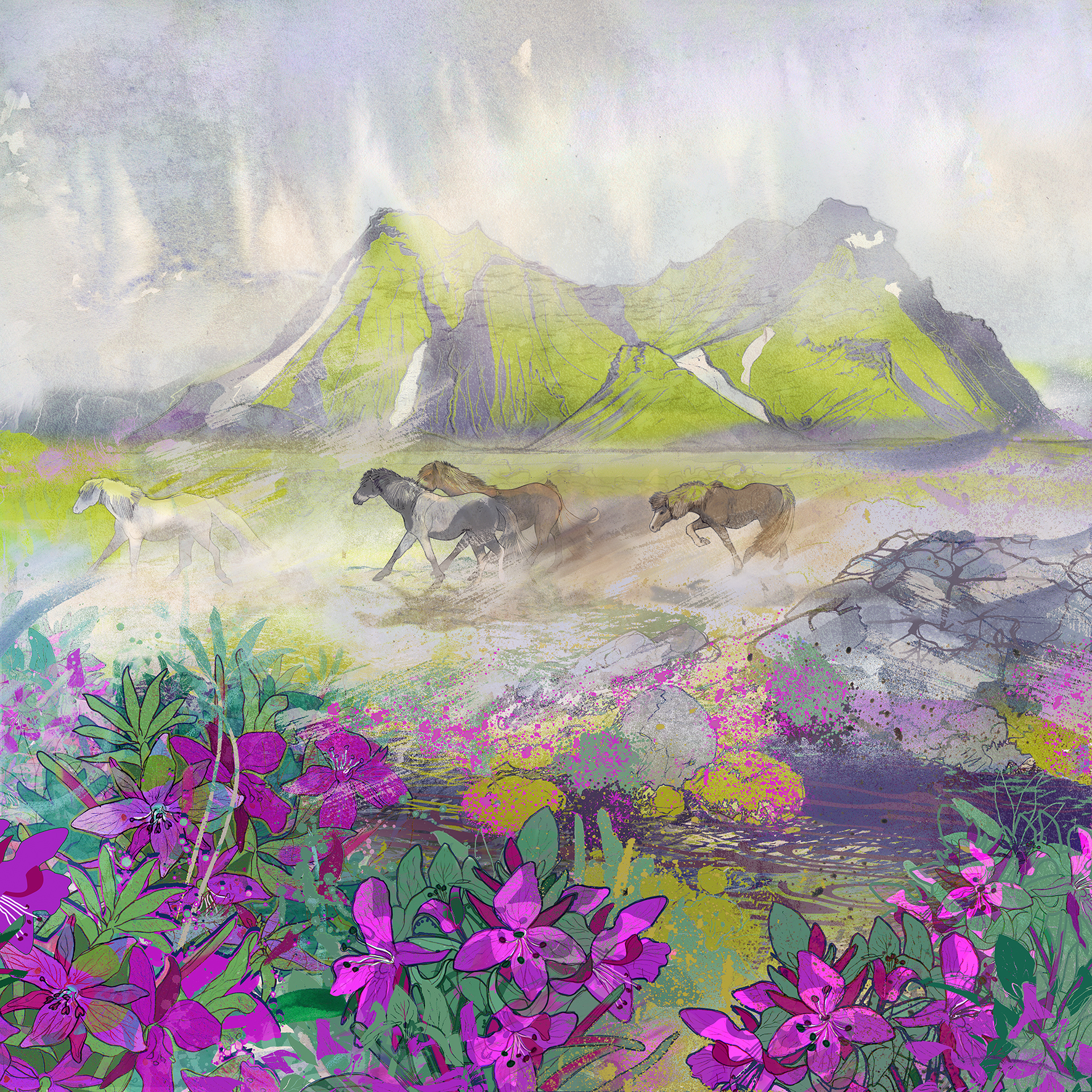
Wildlife artist Shelly Perkins shares her passion for travel and the natural world through her own photographs, sketches and studio works. Share Shelly’s global adventures to seek out the wild places on our planet and explore with her the fascinating flora, fauna and landscapes that those travels have revealed. See then how these travels, from places as diverse as Africa to Antarctica inspire her finished pieces back home.
An evening for all!
£10 per person