
THIS EXHIBITION HAS BEEN EXTENDED TO JUNE 4th BY POPULAR DEMAND (previously advertised as ending on May 21st)
The very first item to be accessioned into the Nature in Art collection was by Elizabeth Gray, a watercolour entitled ‘Trouble Overhead’, depicting grouse cowering on the moors as an eagle flies above. At that time it was typical of the work she was producing, although as one tracks her artistic career from then on, it quickly becomes clear that she was a unique creative soul who, over her lifetime produced what many observers consider to be an unrivalled output, certainly in terms of its diversity.
On March 19th last year Elizabeth died, just a couple of weeks before her 94th birthday. Since then we have been given access to her studio and have discovered some remarkable and fascinating works, some of which even the family were unaware existed. It confirmed in us her reputation as a prolific, adventurous artist constantly experimenting and pushing the boundaries. Such an artistic legacy is all the more remarkable when one considers that she had no formal art training.
Inevitably, we cannot be certain where some of the pieces precisely fit into her artistic journey. Many are unsigned, untitled and very probably because of that, unfinished. Yet they are a fascinating insight into the creative process and how aspects of nature from the large to the small were a precious inspiration to her.
Secrets of the Studio then, is almost exclusively works that have never been previously shown anywhere. This is a genuinely unique collection that includes many aspects of her output in an inspiring and varied display.

Firstly, there are watercolours of wildlife, particularly birds in a landscape, for which she became especially well known in the 1970’s and 80’s, exhibiting in the UK with the likes of Peter Scott and David Shepherd and in the USA with the likes of Robert Bateman. She also regularly featured in the world renowned ‘Birds in Art’ at the Leigh Yawkey Woodson Museum in the USA, who also commissioned a work for their permanent collection.
Proceeds from the sale of most of these works were accumulated to fund the purchase of an aeroplane for relief work in Africa. Indeed, throughout her artistic life the proceeds from her work were given away to charity, including Nature in Art.
Secondly, there are botanical illustrations. These were painted as botanically correct images, requiring real discipline and accurate observation. Looking closely at the pictures it is clear that none of them have been drawn first. She has simply painted directly onto the paper – an unusual feat. The only pencil is her name and, in some cases, the name of the plant. Complementing these are a number of floral still life compositions and works combining pencil and paint (above). These appear to have been a part of a phase in her artistic output before she began experimenting in other styles and media, and ultimately adopting another name for some of her work.
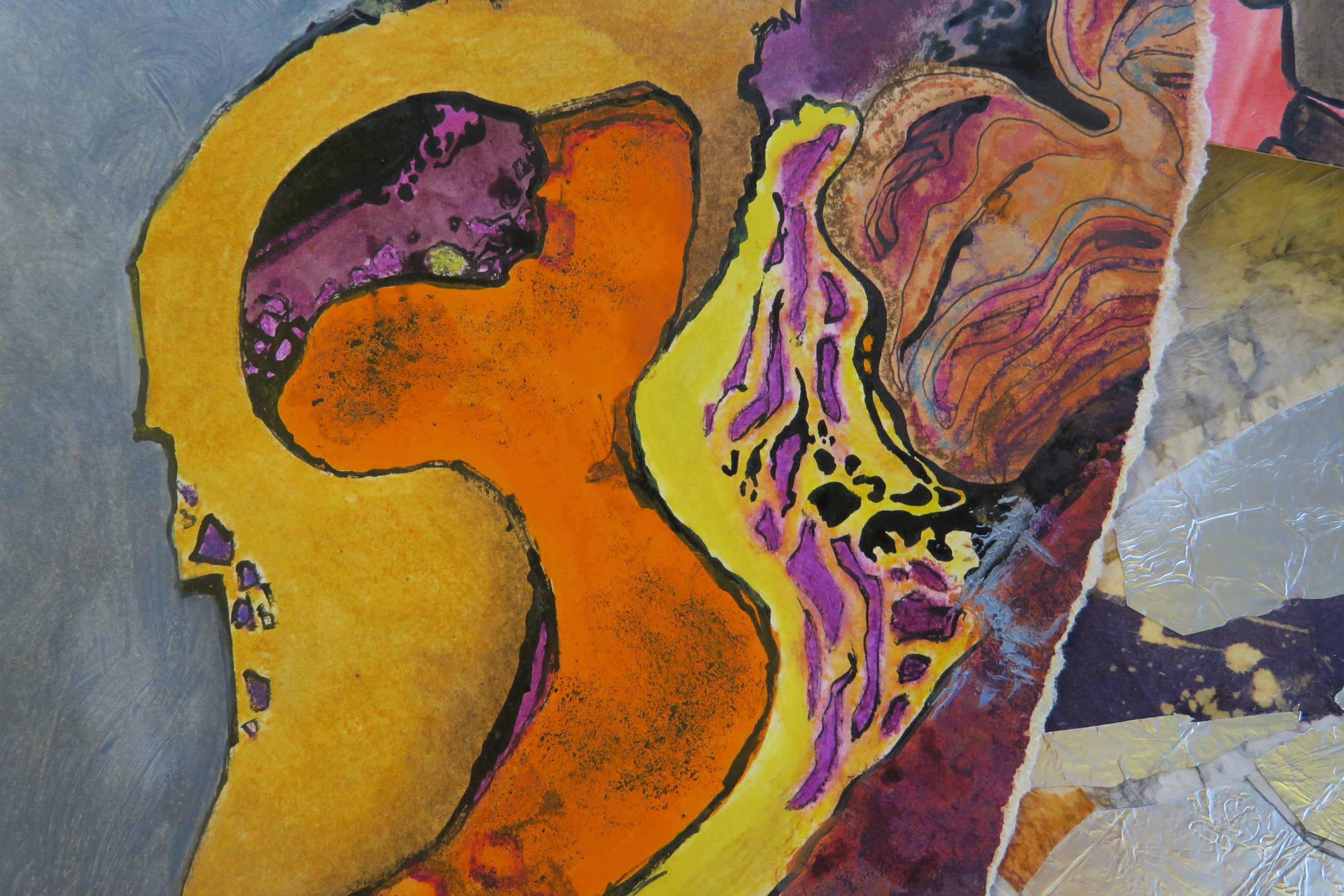
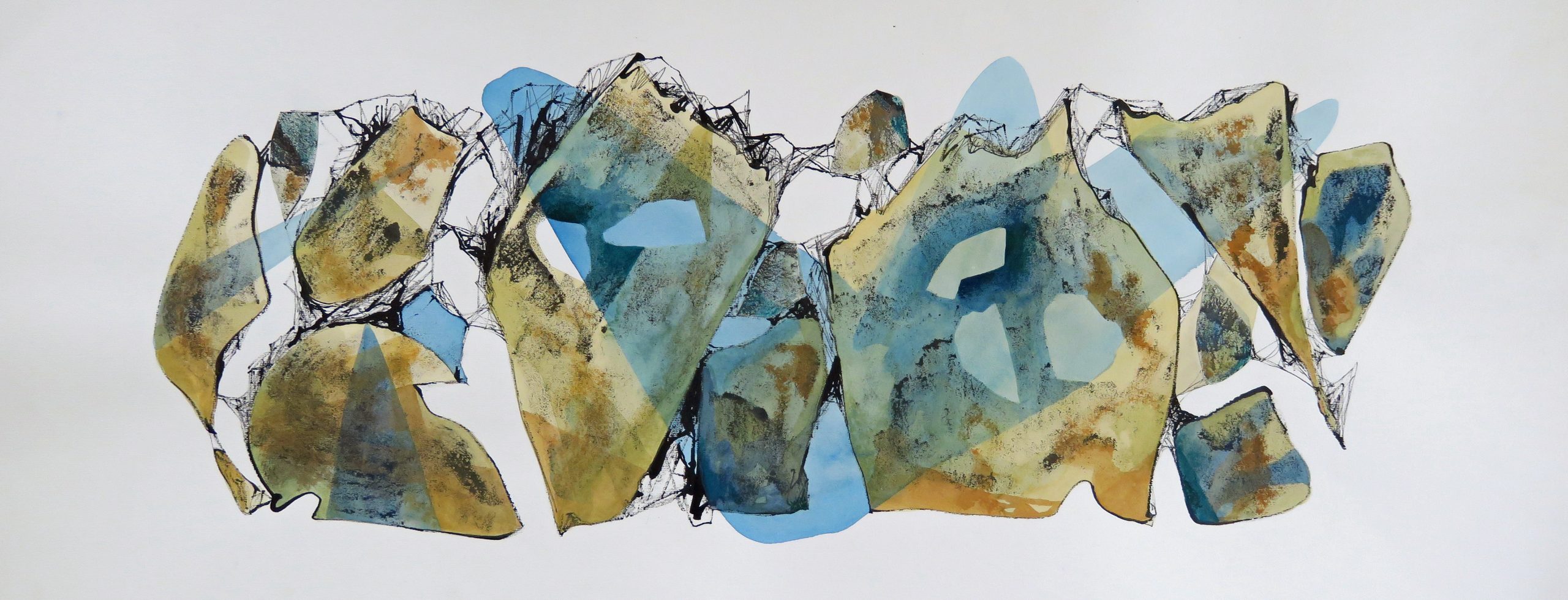
Thirdly, we have focussed on a particular area of fascination for her – rocks. Amongst the items we found were detailed paintings of pebbles to larger abstract pieces inspired by geological formations, produced in a wide variety of media (very often mixed). This gives an insight into how, once inspired by a particular theme, Elizabeth followed it with, it would seem, no clear idea of where she would end up. The idea was to enjoy the process and seek out fresh ways to express the insights she saw. It was a journey of discovery, not just of the theme, but the media too.
Fourthly there is printmaking, to which she dedicated much time later in her career. She was particularly interested in reduction printing, sometimes referred to by artists as ‘suicide printing’ because, rather than having a separate block for each colour, just one block was used. In her case some of the blocks were almost 1m in height and, having no printing press, all had to printed by rubbing with a wooden spoon on the back of the paper. No mean feat! Fascinatingly, we discovered examples of where she had poured plaster or pressed wet tissue paper into a carved block to create a relief. Some were used for the covers of some of her one-off hand-made books.
It is clear that Elizabeth displayed real discipline in all the phases of her work, particularly when learning a new media. For example, she was given a computer for her 80th birthday because the physicality of some of her work was becoming increasingly challenging and the thought of creating work digitally had quite an appeal. So the fifth area is digital work and hand made books which were partly a spin-off from that process. Digital media required a different way of thinking, but once grasped she produced, self-taught as ever, some varied work, exploiting the potential of this new way of working. She was not one for standing still.
Accompanying the main exhibits will be examples of experimentation, tests, stencils and other elements that give an idea of the processes used and her desire to always try something new. In a book of her work published in 2015, a quote from Pablo Picasso (1881 – 1973) was used, which seemed very apt for her approach to art – ‘I am always trying that which I can not do, in order that I may learn how to do it’.
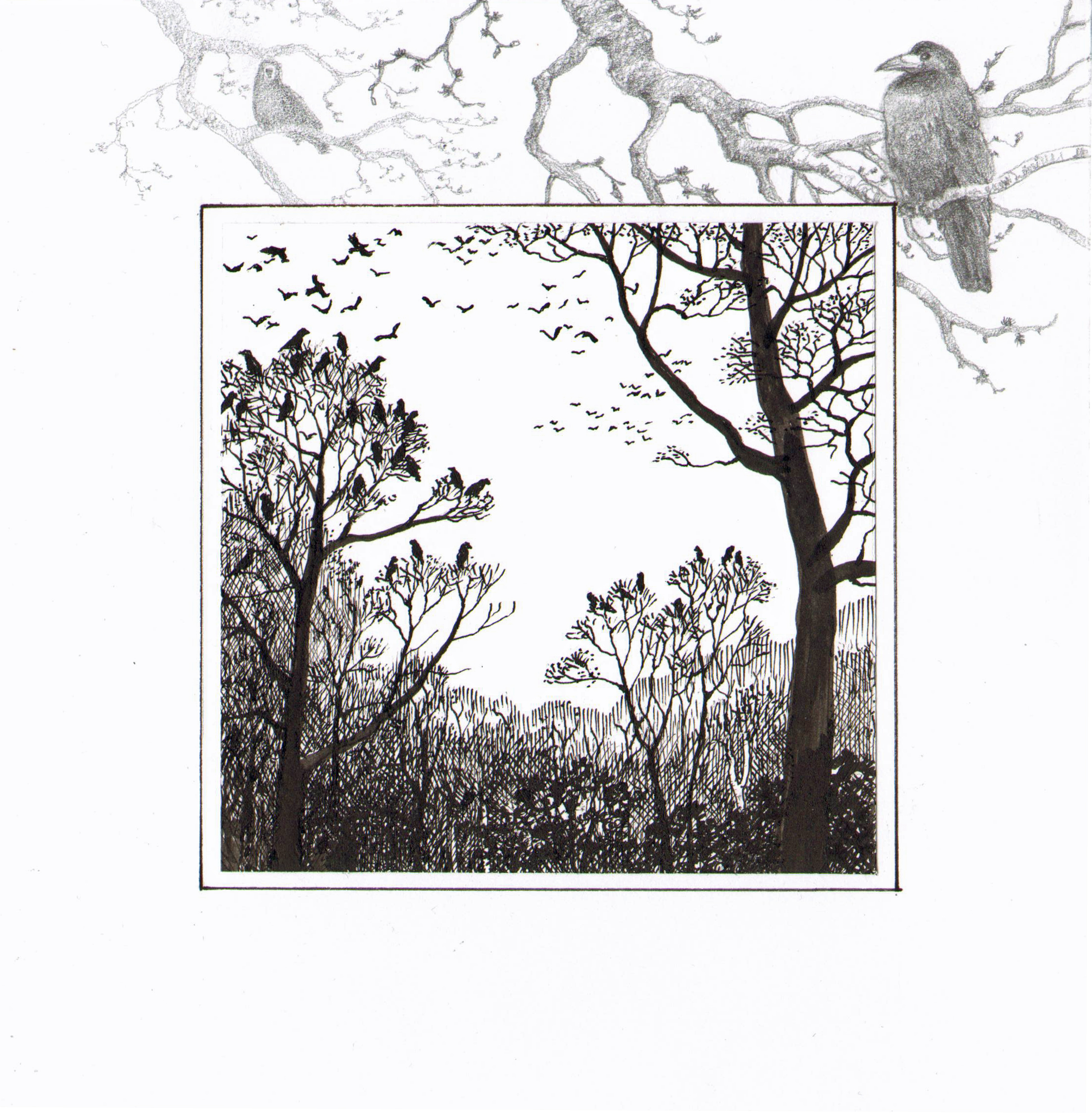

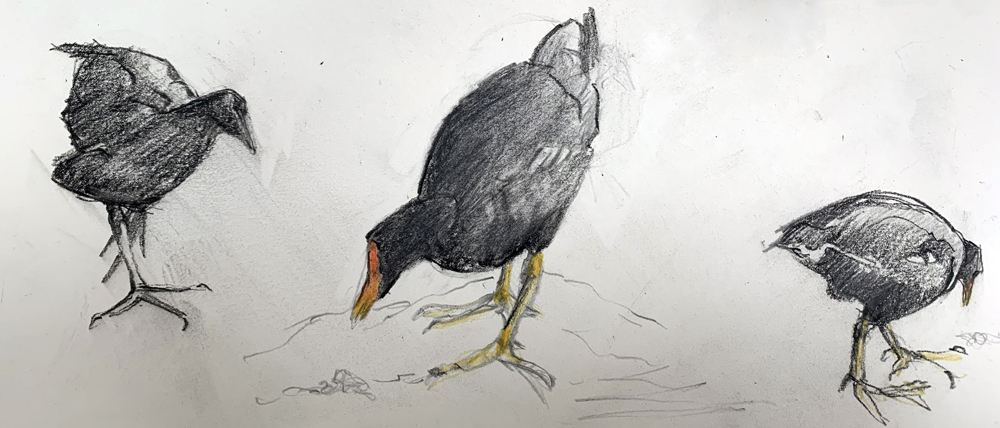
Five artists exploring themes from the natural world through drawing, painting, printmaking and poetry.
Murmur II (Conversations with Nature) brings together a new body of work, in a variety of styles and media by Andrew Morrison, Jo Biggadike, Shelley Winnett, Roy Hubbard and Julie Smith. At least one of them will be available each day to talk to visitors.
Humans speak the loudest, but beside our raucous demands are murmurings from wild things struggling to adapt to a changing world. ‘Conversations with Nature’ attempts to attend to nature’s quiet, often hidden voice; to listen and respond with paint and ink.
Free admission. Original artworks, prints and cards are available for sale with 10% of all sales supporting Nature in Art.
‘Meet the Artists’ evening – Friday 26th May, 6:30-8pm. Open to all.
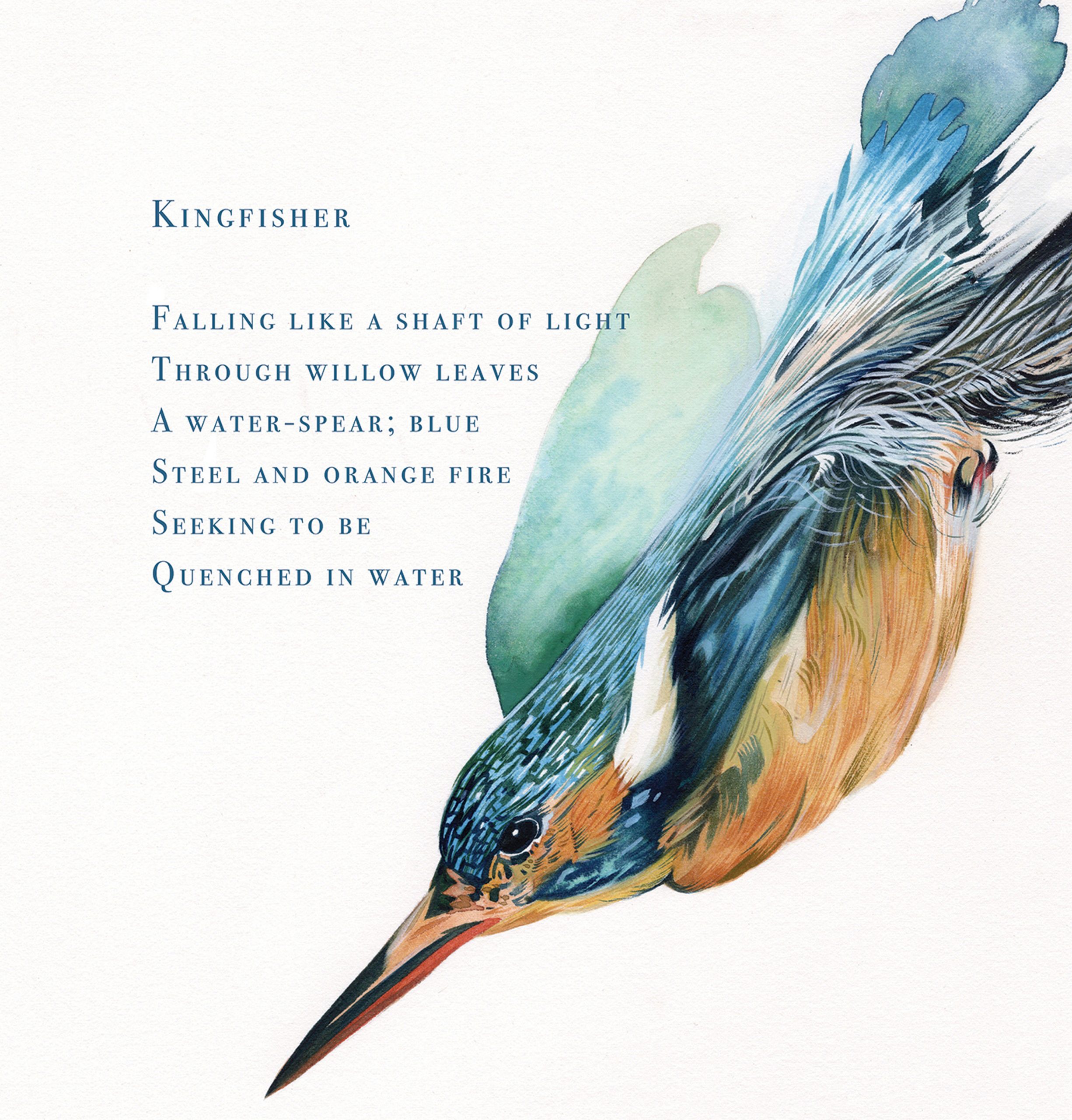

The annual exhibition of The Wildlife Art Society International. A display consisting of over 300 works, both 2D and 3D. The society provides a focus for the interests of wildlife artists, painters, sculptors and photographers, whether they are professional, serious amateur or leisure artists. Most works are for sale. See members demonstrating every day.
The Wildlife Art Society International was founded in 1992 and has grown to be one of the leading Wildlife Art Societies in the UK and continues to grow in recognition internationally.
This event is organised by TWASI and will take place in a marquee on the front lawn of Nature in Art.
NOW EXTENDED TO 23rd July (was 16th)

A unique selection of work by the popular UK cartoonist, Norman Thelwell.
This year marks the 100th anniversary of the birth of one of Britain’s most popular cartoonists to have worked in Britain since the Second World War, Norman Thelwell (1923 – 2004). Although best known for his images of girls and their fat ponies, his work is far more wide ranging than many realise. The countryside and environment were particular passions that informed his work. His cartoons were a powerful way for him to comment on issues of the day.
‘Wrestling with a Pencil’ was the title of Thelwell’s autobiography (1984), and in it he says ‘Although my object as a cartoonist was mainly to earn my living by amusing readers, it was also quite possible to express my own feelings on subjects, situations and events about which I felt strongly. Politics I have always found very boring and there was no way in which I could have become a political cartoonist. My interest lies in the minutiae of the human dilemma, the day to day problems of life and the way we are all swept along by events or developments which we feel helpless to influence. I seem to have touched at one time or another on almost every subject under the sun from combine harvesters to computers, rockets to ramblers, paraffin to pigs. But the predominant thread which has always run through my work is my love of and fascination with the countryside: the flesh and bones of these islands.’
This exhibition will include a broad selection from a remarkable body of work produced over a lifetime. The selection was made with the assistance of Thelwell’s artist son, David, who will be artist in residence at Nature in Art in June, and Thelwell’s daughter, Penny.
In 1952, Thelwell penned his first cartoon for the satirical British magazine Punch, renowned internationally for its wit, irreverence, and for publishing the world’s best comic writers and poets. This led to a relationship that lasted for 25 years and over 1,500 cartoons, including 60 front covers. Some original Punch cartoons will be included in this exhibition.

Thelwell published his first pony cartoon in 1953, and quite by accident, his name became synonymous with images of little girls and fat hairy ponies. The ‘Thelwell pony’ quickly became the most-often referenced source of horse humour the world over, and today, as we prepare to celebrate the centennial of the artist’s life, his caricatures remain as popular as ever. Thelwell’s 34 books have sold over 2 million copies in the United Kingdom alone, and his cartoons are found on a diverse array of merchandise. Interestingly, when we need it most, his book ‘The Effluent Society’, which commented on environmental issues, was republished this March. (This, and some other merchandise will be available in the shop.)
Lent by the family archive, this display, although including a few of his renowned horse and pony pictures, also embraces serious paintings completed purely for pleasure, and drawn and painted cartoons with relevance to nature, the countryside and environment, plus early works from his army days in India and before. Together they reveal not just Thelwell’s skill as an artist, but also his mastery of sharp social comment and his awareness of then current and future threats. He used satire to convey serious messages about the need to preserve the natural world; many of which still have poignancy today.
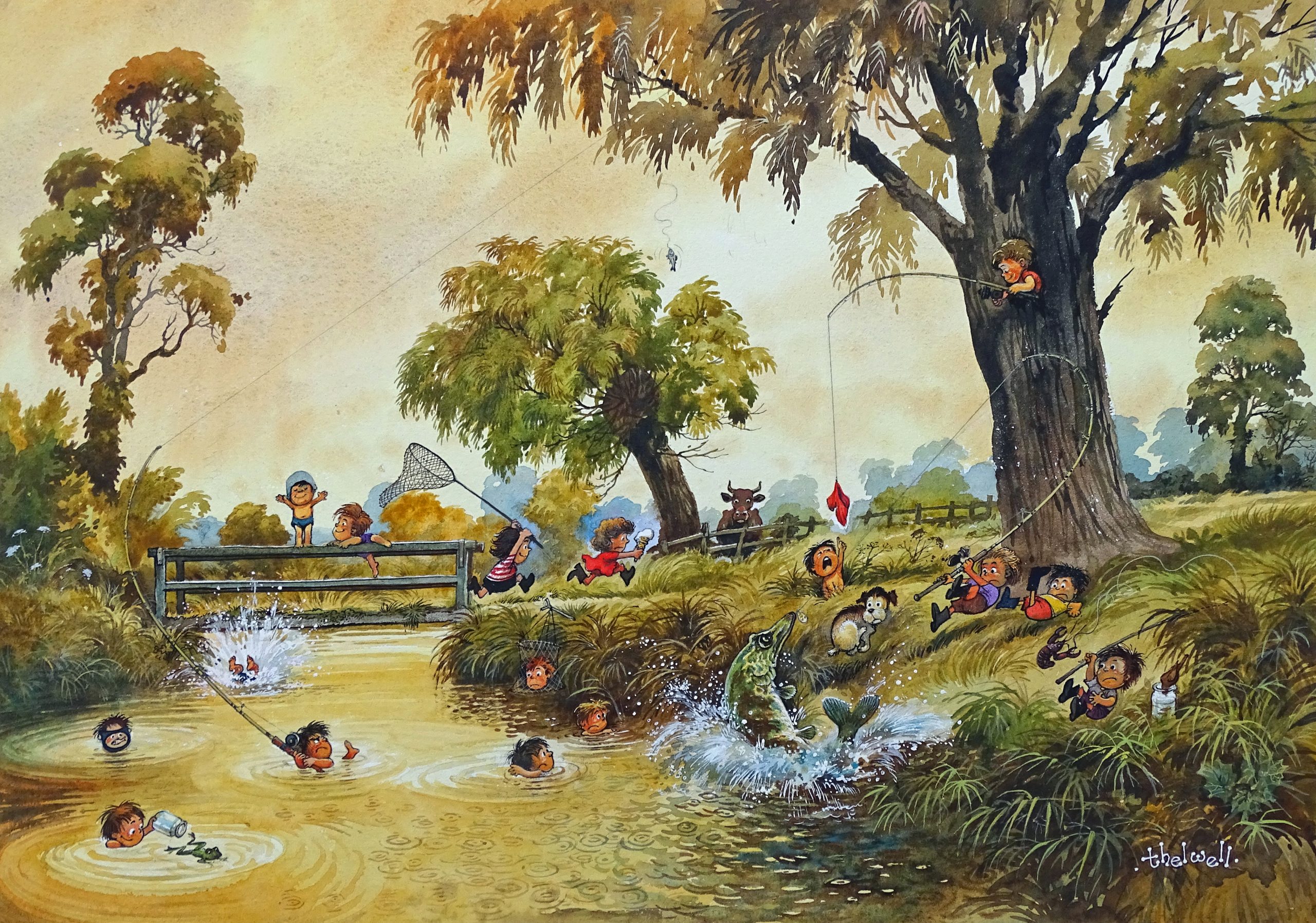
Many of his 34 books centre upon country life and country pursuits, and their light-hearted images are founded upon a thorough knowledge of their topics. (He was a keen angler, for example.) Although progress has been made in some areas of conservation and the tackling of environmental challenges, it is likely that Thelwell would be disappointed that many of his cajoling drawings are as relevant today as the day he put pencil to paper. Things have not changed as much as he would have liked.
For the last quarter of a century of his life Thelwell lived in the Test Valley at Timsbury, gradually restoring a farm house and landscaping the grounds which gave rise to his first factual book, ‘A Plank Bridge by a Pool’, which detailed the first two lakes he dug there. A third lake was later featured on the BBC TV. Written much earlier, but published three years later, ‘A Millstone Round My Neck’ described his experiences in re-building a Cornish water mill that was sold before the book was published. He always loved old buildings, and in his autobiography, ‘Wrestling with a Pencil’ he wrote about his joy of old cottages.

 Charlie Page / British Wildlife Photography Awards
The British Wildlife Photography Awards (BWPA) is a revered showcase of nature photography in Britain and a crucial reminder of what value our woodlands, wetlands and other ecosystems still hold.
This will be one of the very first showings of the winning images from the 2023 competition, launched in March. This renowned exhibition celebrates British wildlife and wild spaces through a collection of inspirational images, showcasing the best of our natural heritage.
More than 13,000 images were submitted into this year’s competition. Photographers competed in 10 different categories in the adult competition: Animal Behaviour, Animal Portraits, Botanical Britain, Black & White, British Seasons, Coast & Marine, Habitat, Hidden Britain, Urban Wildlife, and Wild Woods. There were 3 age groups in the young competition: 11 and Under, 12-14 years, and 15-17 years.
Each year, the BWPA images are adored in the press (both in print and on TV), toured around the UK in a travelling exhibition, and published in beautiful collection books.
BWPA has a number of key aims:
-
Recognise the talents of photographers practising in the UK, whilst highlighting the great wealth and diversity of Britain’s natural history.
-
Celebrate British wildlife and wild spaces through a collection of inspirational photographs.
-
Showcase the very best of our nature photography to a wide audience and engage all ages with evocative and powerful imagery.
-
Encourage discovery, exploration, conservation and enjoyment of our natural heritage.
-
Raise awareness about British biodiversity, species, and habitats.
There is no extra cost for this exhibition – entry is included in the admission price to the museum.

Billy Evans-Freke / British Wildlife Photography Awards
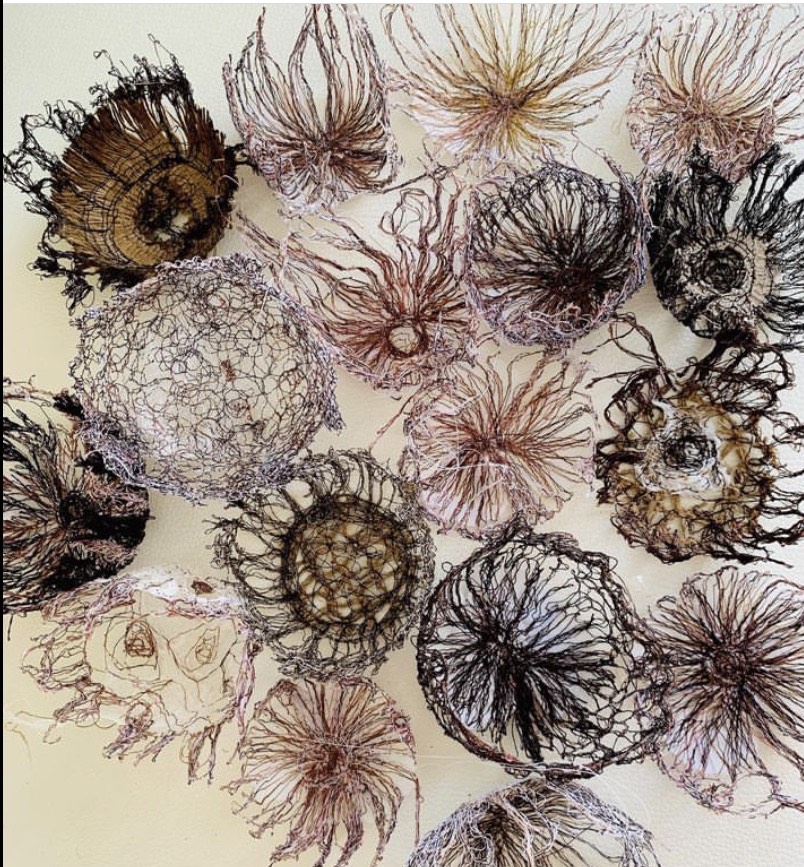
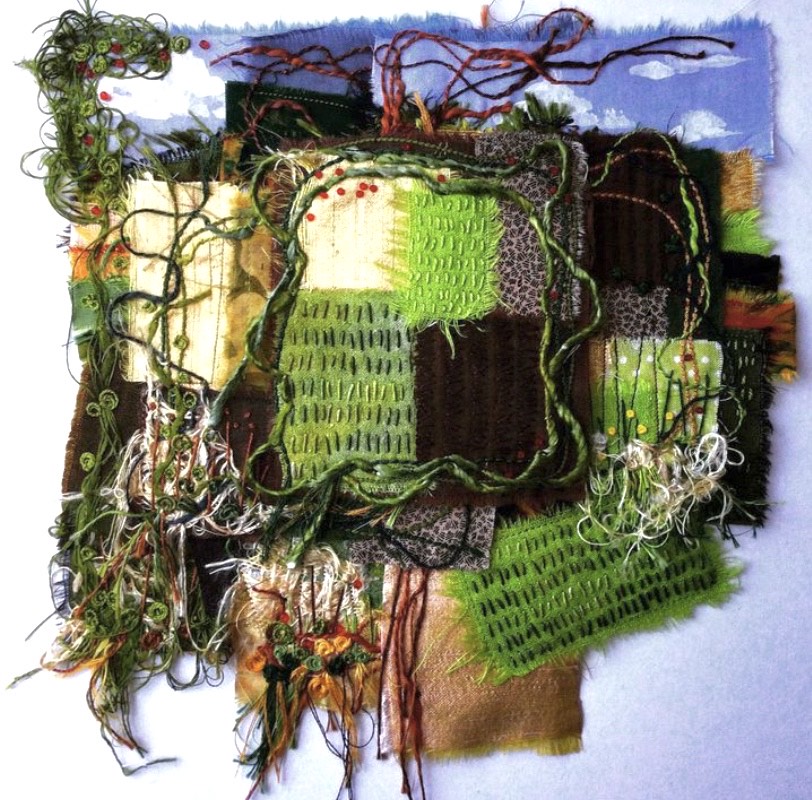
Sense of place is important to everyone, whether it is a location, the beings around us, an emotion, time, a memory, or all of the above. In this exhibition, Midlands Textile Forum (MTF) explore what it means to live in the world, take notice of our surroundings and find our place. From inspirational starting points, MTF members have taken individual creative journeys developing process and technique to respond to the theme. This exhibition showcases traditional textile techniques in a contemporary way, from stitching and quilting to lace, knotting, weaving, print, painting on cloth and digital manipulation.
The Midlands Textile Forum is a group of artists (who live and work in central England) and who predominantly use textiles and/or mixed media in their practice. Their aim is to develop individual practice, and support and encourage textile based activity in the region, primarily through exhibitions. Members of the forum come from a wide variety of backgrounds in terms of creative practice and approach. The forum has evolved over the years since its founding in 2007 and actively welcomes new applications.
Meet makers amongst the exhibits on 27th July (Jane Arthur and Janet Gilbert), 1st August (Anna Stanley) and 6th August (Sylvie Millen).
https://www.midlandstextileforum.com/
This exhibition will be held in the Wallsworth Centre. Free entry.


The annual exhibition of this county group, founded almost 100 years ago, in 1924. The society is still a devoted community made up of enthusiastic individuals who work in a variety of styles and media and enjoy sharing ideas and activities. Monthly studio evenings are held in Nature in Art’s education centre. Meet members every day to find out more. See artist members at work 16th – 20th August.


One World Imagined is an art collective consisting of five award-winning artists David Skidmore, Christine Dadd, Valerie Briggs, Jess Pritchard and Jordan Price each specialising in depicting the natural world. Working in a variety of mediums, oil, graphite and carbon pencil, coloured pencil, acrylic and watercolour, with subject matter both British and worldwide, on land, sea and air.
Meet exhibiting artists every day:
- Christina Dadd 22nd – 24th August
- Valerie Briggs 25th – 26th August
- David Skidmore 27th – 31st August
- Jess Pritchard 28th – 31st August
- Jordan Price and Valerie Briggs 31st August – 3rd September
David Skidmore:
David works mainly in pencil and acrylic, although enjoys experimenting with most mediums. He aims to produce work that is informative and at times thought provoking. His main focuses are the natural world and the human figure. He contributes work to several organisations to raise money for wildlife and environmental issues.
https://www.davidskidmoreart.co.uk/
Jess Pritchard:
Jess works solely in pencil. From a young age she had a passion for both art and wildlife and began her professional art career seven years ago. Jess is an artist ambassador for Derwent Art, Britain’s largest pencil brand and has also raised thousands of pounds for various wildlife charities.
Christine Dadd:
Christine has a unique style of wildlife painting creating closeness with the subject by focusing on key animal characteristics. She paints mostly in oils on untreated linen. She says: ‘This gives me the texture and feel of the subjects, especially the wildlife from Africa.’ Well travelled, her most recent trip was to Brazil which informs some of her latest works.
Jordan Price:
Jordan’s artist journey began after attending a wildlife exhibition and seeing a pencil drawing that ‘I believed was a photograph’. Her says, ‘I was 19 years old and for the first time I knew exactly what I wanted to do with my life. To capture the beauty of wildlife that surrounds us in pencil art.’
https://www.jordanpriceart.co.uk/
Valerie Briggs:
Valerie has been drawing and painting in watercolour the flora and fauna of the British Isles for over 4o years. She is especially drawn to the natural and man-made waterways, which provide green corridors for a wildlife population under the constant threat of urbanisation.
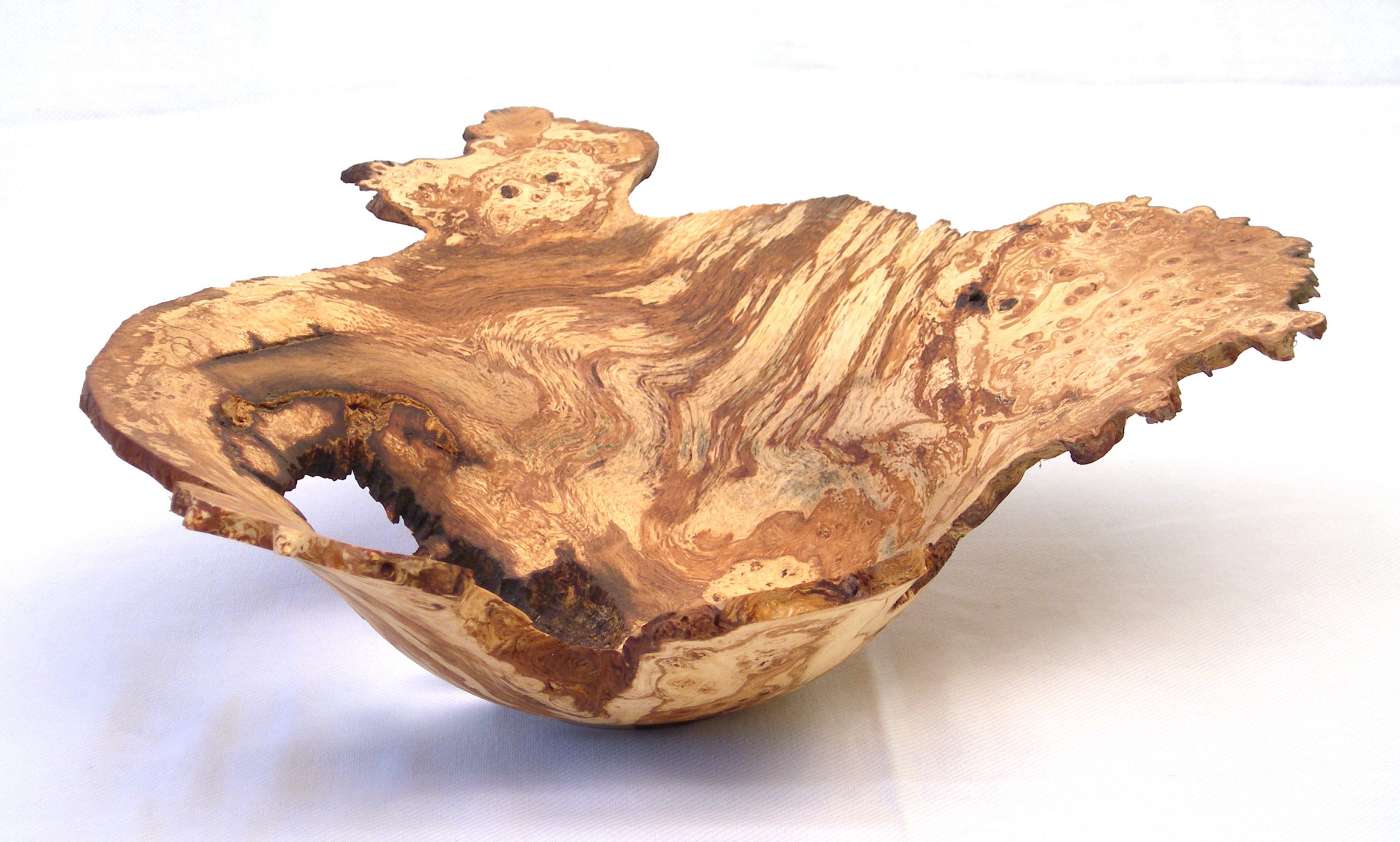
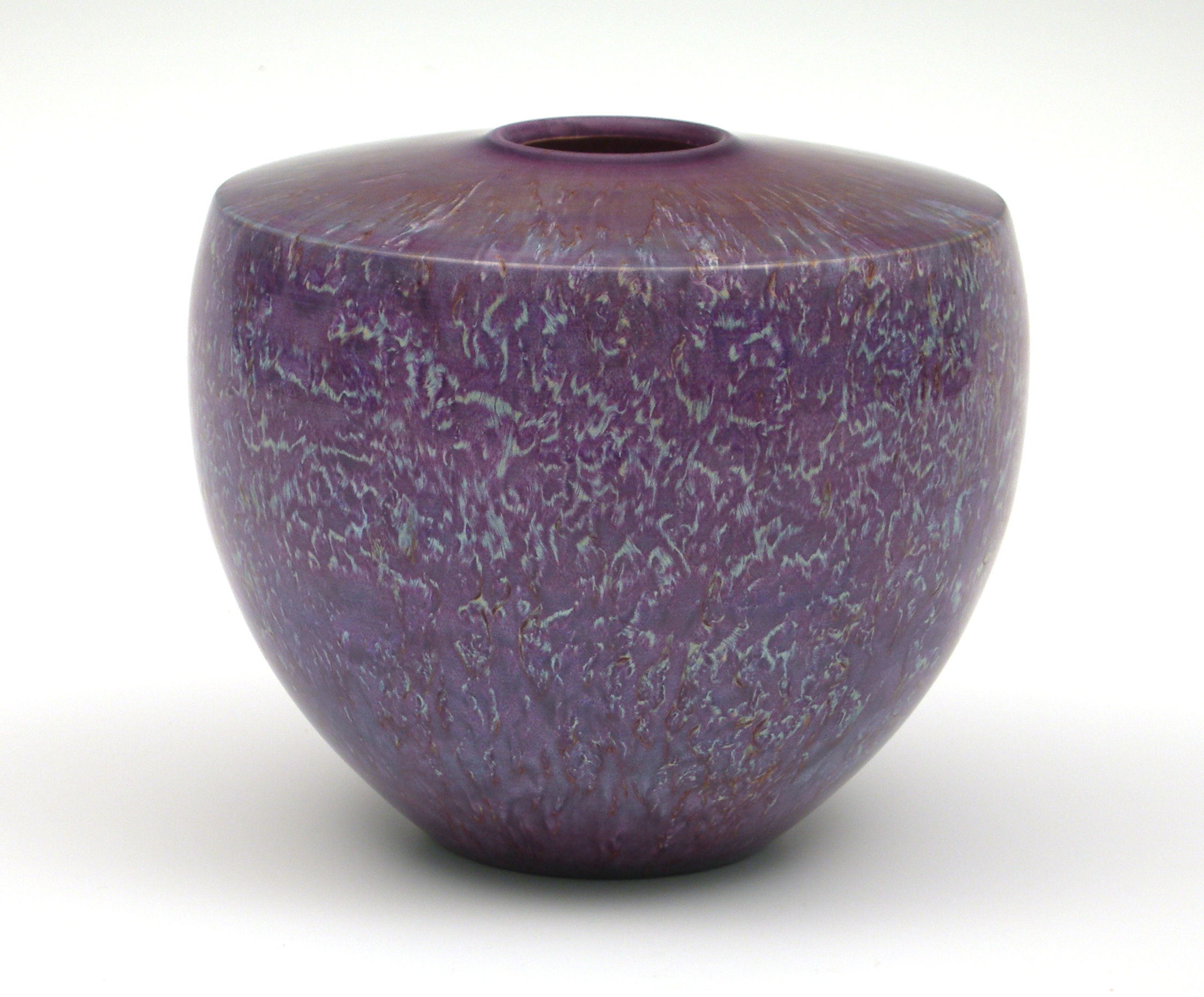

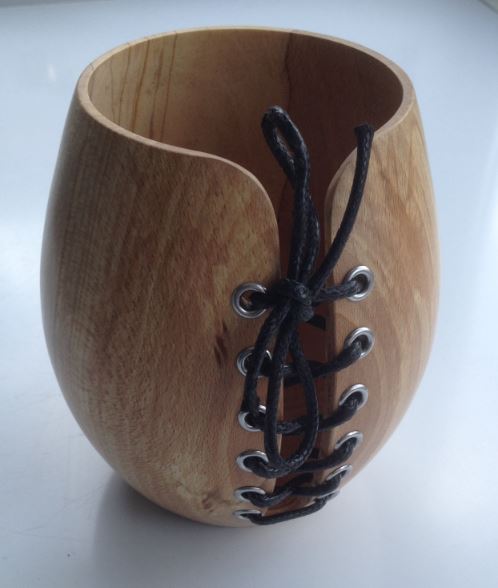
A major display of turned wood by members of the Association of Woodturners of Great Britain. The pre-emminent organisation of its type, with international members and profile, this display brings together a huge range of styles, techniques and woods. It is a celebration of craftsmanship and the beauty in wood – art in nature.
Just as the British Wildlife Photography Awards includes images by younger photographers, so this display will highlight the work of a group of young turners being coached and mentored by members of the Register of Professional Turners. These will be displayed alongside items by established wood turners, mostly based in the south west, south Wales and Midlands area.
The AWGB is a national charity which aims to promote woodturning to ensure the craft continues and to advance education in woodturning. It currently has over 3000 members, including makers abroad. There are 50 local UK branches, including in Gloucestershire.
SEE WOODTURNERS IN ACTION:
19th Steve Gordon
20th Paul Hannaby
21st Brian Ford
22nd Barry Starkey
23rd Jeff Belcher
24th Jeff Belcher
26th Brian Ford
27th Mike Macey
28th Keith Fenton
29th Peter Dixon
30th Steve Gordon
1st Rod Tester
Many exhibits will be for sale


A unique exhibition to celebrate the 60th anniversary of the Society of Wildlife Artists.
2D and 3D works by members who have played an important role in the journey of the Society thus far, including work by all its past-presidents. The SWLA continues to be a hugely influential organisation delighting in the natural world through fine art.
About The SWLA:
Back in the late 1950’s, the original work of wildlife artists was not readily available even though it was a time of widespread and growing interest in natural history. With a society of artists in mind which might seize such an opportunity, Robert Gillmor and Eric Ennion, with the enthusiastic support of Keith Shackleton and Peter Scott, organised an exhibition of contemporary bird paintings in the Reading Art Gallery in 1960. It then went on tour for a year. Such was the interest, the tour was extended and R.B. Talbot-Kelly and Maurice Wilson joined the organisers to plan a society to build on the momentum. They began inviting founder members and the Society of Wildlife Artists (SWLA) was formed.
Their first exhibition (1964) featured 149 works by 35 founder members. Today it has 63 elected members and 3 Associate Members. Their annual show ‘Natural Eye has over 300 works. In 1990 The SWLA became a registered charity through which it arranges exhibitions, publications, bursaries and partnerships delivered through the energy of individual artist members, many of whom are celebrated in this unique selection.
This exhibition highlights the work of some of the key drivers of the Society through its life. Sadly some of the founder members are no longer alive – people like Hugh B. Cott, Eric Ennion, Sir Peter Scott, Eileen Soper, John Busby, Richard Talbot-Kelly, Robert Gillmor, David Koster, Keith Shakleton, David Measures and David Shepherd, but their legacy lives on through initiatives of the Society and the work of its current artists.